
The Indian independent film scene is more vibrant than ever. New storytellers are emerging with ideas that refuse easy categorisation, and the films they are making are finding audiences not just at home but well beyond the festival circuit. Below is a selection of the bravest and most interesting Indian films of the year—not ranked, not definitive, but worth every minute.
1. Waiting

Anu Menon’s drama brings together two strangers, Shiv and Tara, bound by the grim circumstance of vigil. Both wait for a hospitalised spouse to return to them. One is sixty, the other twenty-something, and the distance between their worlds is as wide as it is, eventually, bridgeable.
The film is about fragility. Of relationships, of the assumptions we build our lives around, of the belief that love is enough to keep anything intact. It is also, quietly, very funny. Menon never preaches. She lets her characters be, and trusts her actors to do the rest. They don’t disappoint either. Naseeruddin Shah brings his customary effortlessness to Shiv. His performance is so natural it barely registers as one. Rajat Kapoor is similarly assured. Kalki displays angst and impatience with an equally admirable mad intensity as the calm composure she dons while learning to cope with her reality.
2. Parched
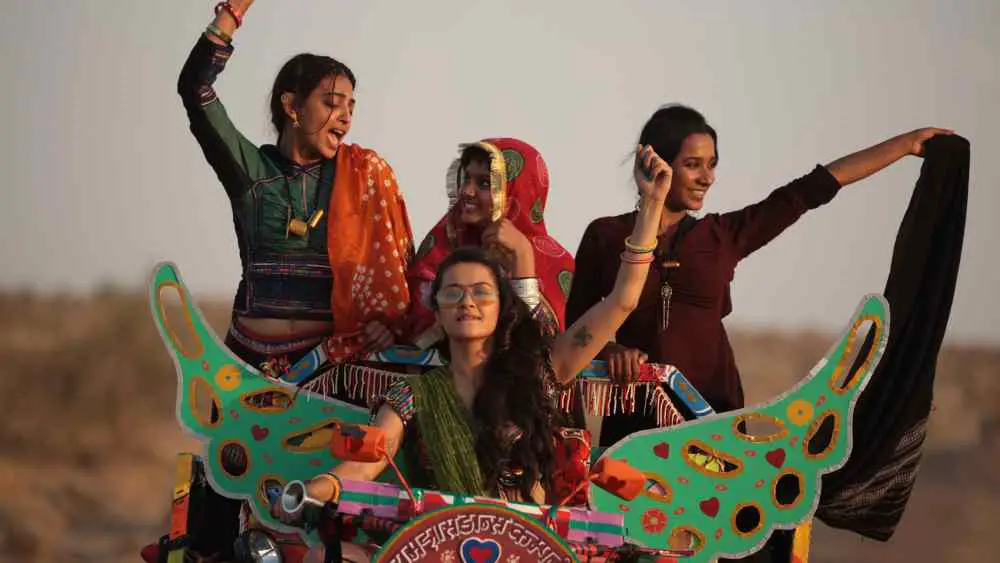
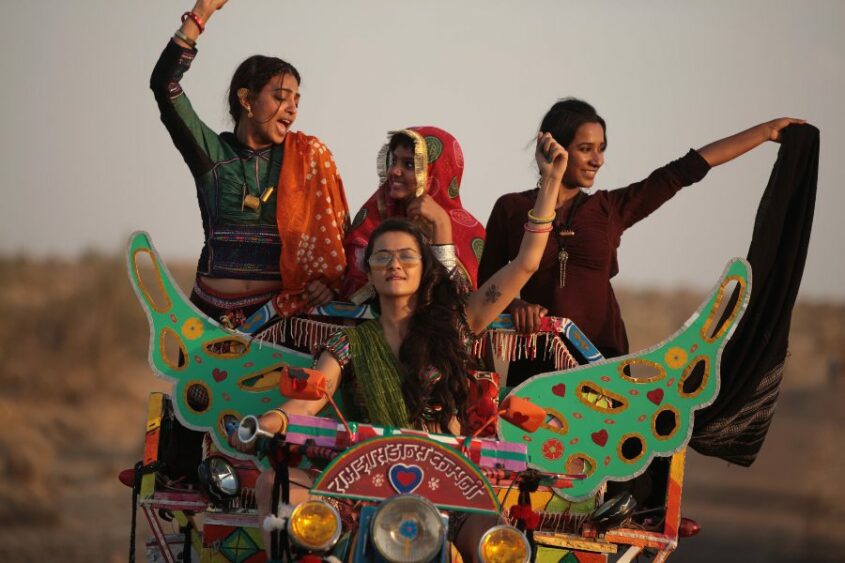
Director Leena Yadav’s Parched is a feminist daring at its best, especially in the bleak Indian context. Three women in a parched land. Feisty, fulsome, intrepid, they dream of freedom. And sexual nirvana. Their men are predators and marauders. Typical. Men driven by the hardness of their manhood and the limpness of their lives in an almost dystopian rural phantasmagoria.
Parched is cinema that provokes. That shatters a cosy beguiling numbness and shakes and rattles sexual feudalism. This is a celebration of the sisterhood of oppressed women, united by their empathy, their deep caring for each other and the desire to reword the grammar of their lives.
3. Kaul – A Calling

A schoolteacher witnesses something he cannot explain, and the experience unravels him. What follows is less a narrative than a descent, as everything he thought he understood about human nature, faith, and the order of things begins to loosen at the edges. Kaul: A Calling is not an easy film. It is an experimental one, deeply committed to its audio-visual language in a way that is genuinely rare in Indian cinema, and it demands a viewer willing to meet it halfway. The reward for that patience is considerable.
Director Aadish Keluskar’s critique of blind faith and performative living lands not as polemic but as atmosphere, which is the more unsettling way to make the argument.
4. Island City
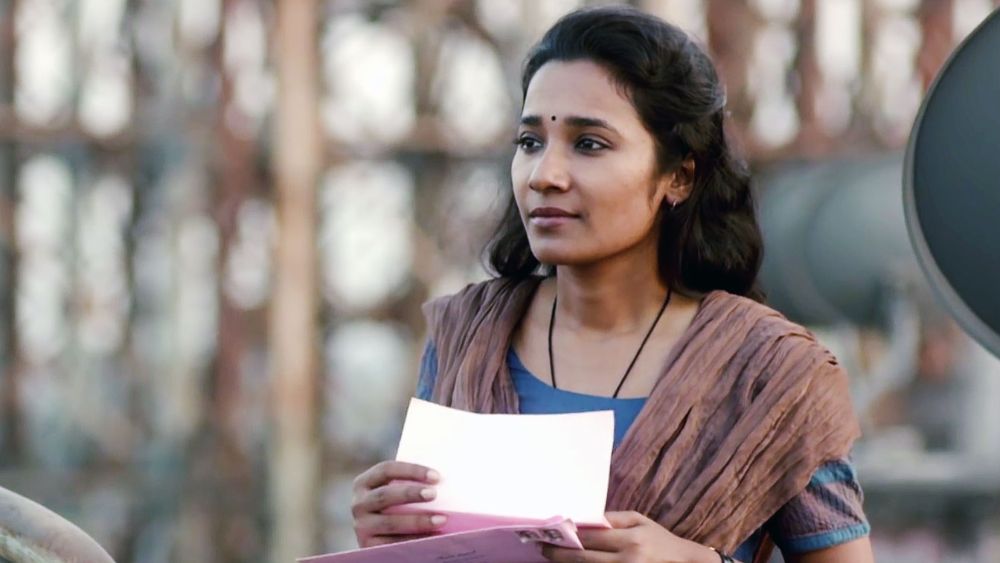
Ruchika Oberoi’s intriguing anthology film features three short stories which explore the impact of urban living, loneliness and technology on everyday lives. Think of it as Black Mirror-style set of tales on modern Indian lives which boasts of a strong cast with the likes of Vinay Pathak, Tannishtha Chatterjee and Amruta Subhash. The film makes for an engaging watch that is equally thought-provoking, with the story titled Purushottam being one of best things I saw last year. The film’s ability to be absurdly entertaining whilst shedding light on some infinitely relatable themes makes it the unique, refreshing experience Hindi cinema needs far more of. (By Suchin Mehrotra)
5. Maroon
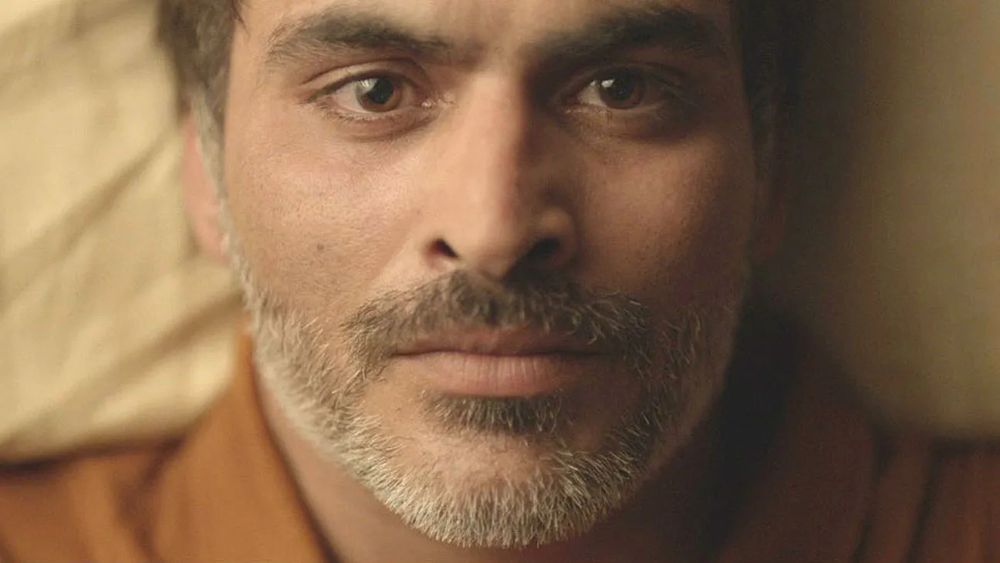
A dark psychological drama about a man whose wife goes missing, Maroon is more of a character study than a who-dunnit mystery. The indie thriller is well written and actualized, mostly because of a remarkable performance from protagonist Manav Kaul. (who delivered a memorable brief role in his 2014 debut feature Citylights). Shot entirely within a single house, the film creates an almost suffocating intimacy, placing you so firmly inside the protagonist’s deteriorating mind that empathy becomes unavoidable.
The climax raises more questions than it answers, but the hints are there for those paying attention. A remarkable debut from writer-director Pulkit.
6. Dhanak
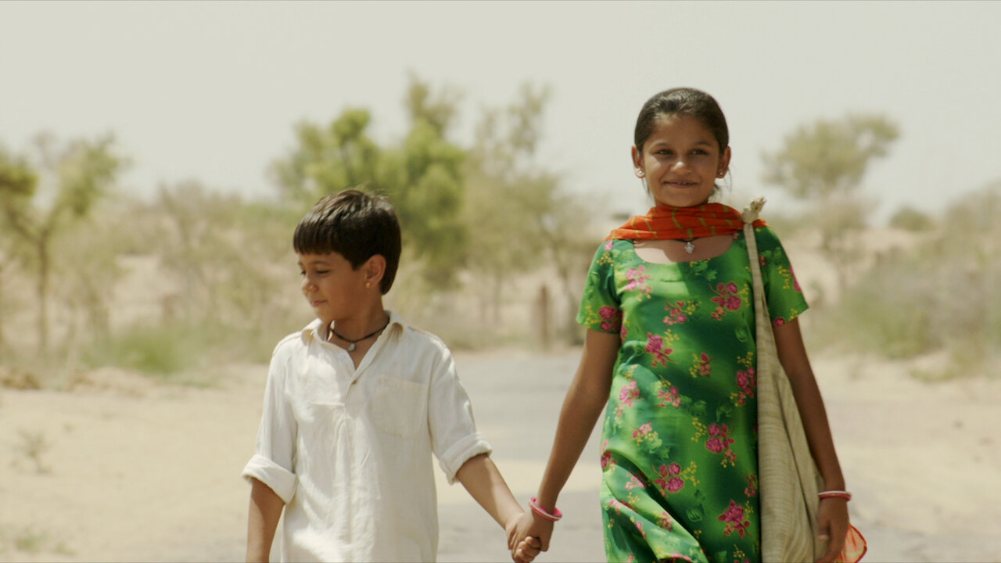
Dhanak trails young, orphaned siblings Pari (Hetal Gada) and Chhotu (Krrish Chhabria) who set out on a journey, with a dream in their heart. Like his other films, Nagesh Kukunoor’s Dhanak seems straight out of a novel. Fairy tale, magical and deeply satisfying. There’s something equally majestic and dramatic about the backdrop the director places his stories in. The settings have a character of their own.
Set in Rajasthan, Dhanak is lush visual delicacy, courtesy cinematographer Chirantan Das, who beautifully, captures the land of sand and sun.
7. Thithi
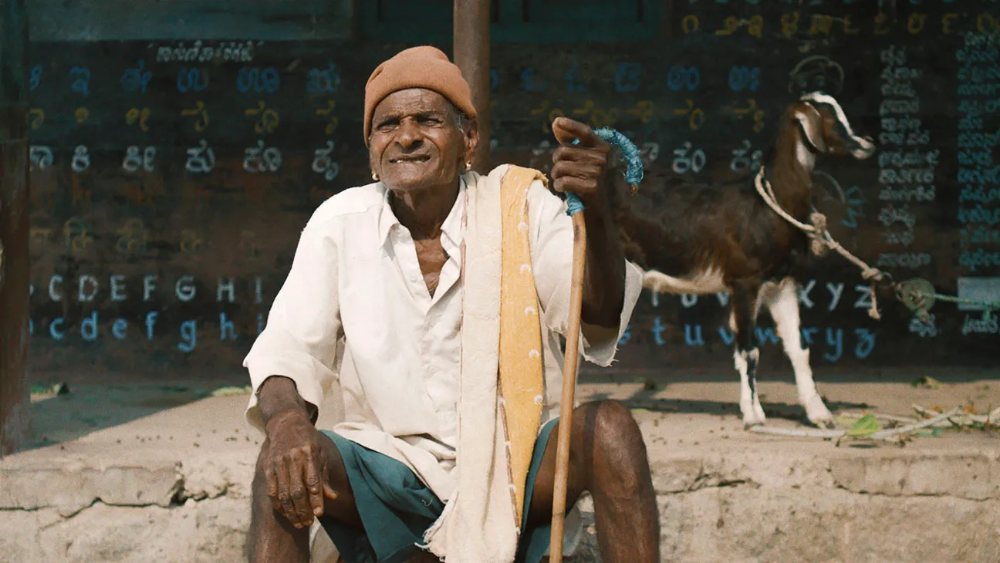
Raam Reddy’s debut feature is not in a hurry to get anywhere, and that is precisely the point. Thithi has a central familial conflict and a string of smaller tensions running beneath it. But Reddy’s real interest lies elsewhere. In texture, in character, in the ironic mundanity of life in a Karnataka village. The narrative aspirations are modest by design. What the film offers instead is something rarer. An uncommonly pure sense of observation, unhurried and unsentimental.
Those expecting conventional dramatic resolution may find it wanting. They would be missing the point. Thithi never moralises about the patriarchal and social tensions embedded in its world. It simply holds them up to the light and lets the audience draw its own conclusions. That restraint is what makes it linger.
8. Autohead
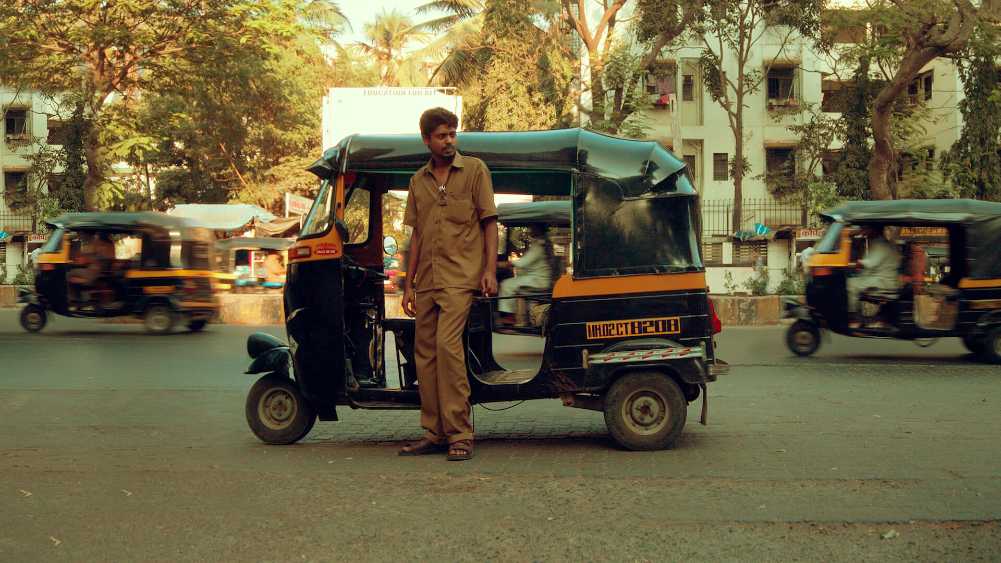
Shot in fourteen days with a crew of twelve and a budget borrowed largely from family and friends, Autohead was made on instinct and nerve. And that shows. Not as a limitation, but as texture.
The film follows a documentary crew trailing Narayan, a sexually frustrated auto driver whose exploits grow increasingly macabre. It is a character study and a formal provocation in equal measure, turning the camera on itself to interrogate the ethics of the crew doing the filming. Mockumentary as a form remains largely unexplored in India, and debutant director Rohit Mittal navigates it with a sure hand. Deepak Sampat, in his first screen role, is a revelation. He’s unsettling, thoroughly watchable, and impossible to look away from.
9. Lipstick Under My Burkha
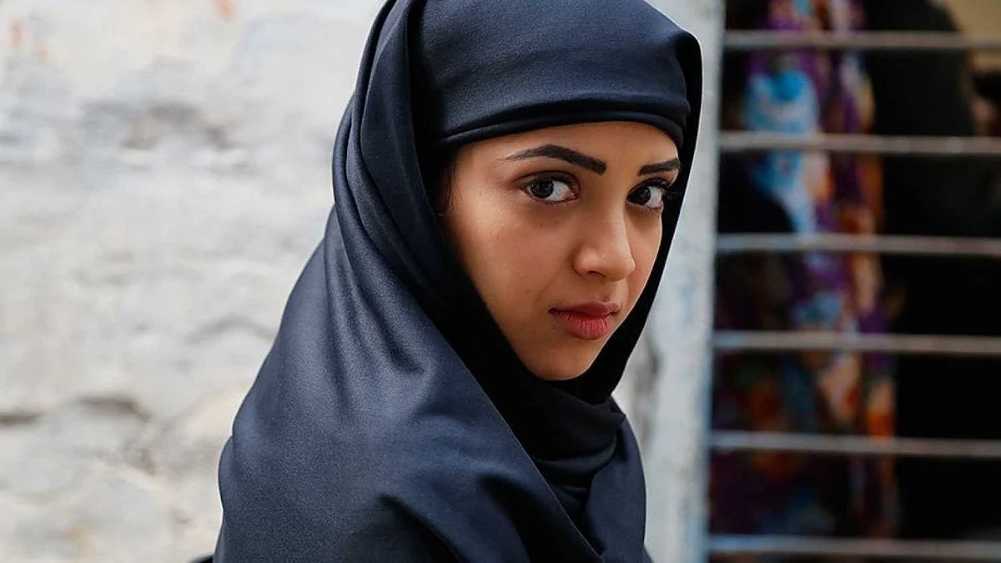
A mid-size town in Middle India. Four feisty women dare to dream. To break the shackles of their inane, repressed lives. To give wings to their desires, to express their sexuality, to reimagine their lives and to seek their place under a free sun.
Do they all triumph in the end? Is their final denouement an act of resignation or rebellion? Life is not fantastical and the empathetic and brilliant director Alankrita Shrivastava provides no cinematic salvation, for life for women in India is no bed of roses. Read Lipstick Under My Burkha review.
10. Chauthi Koot
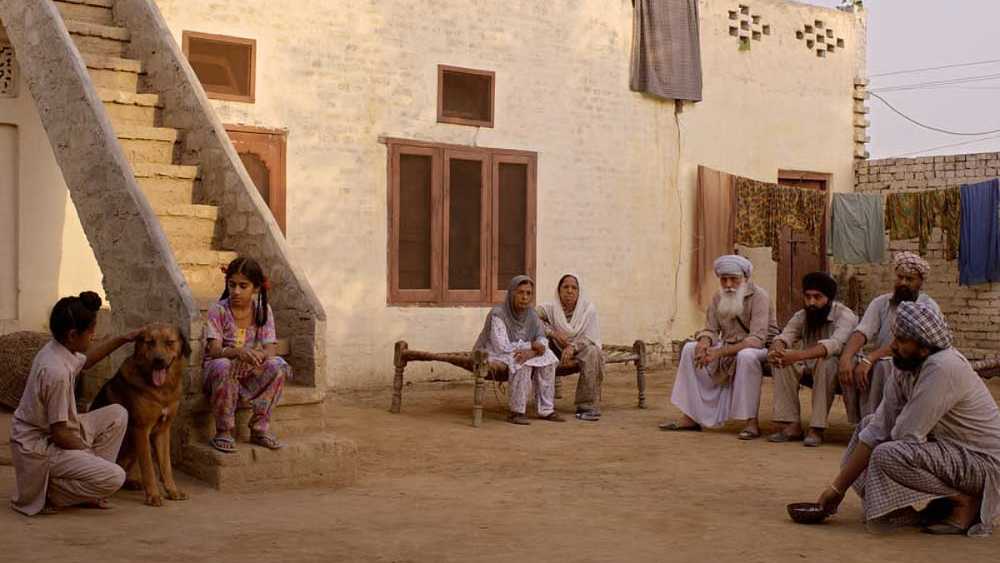
Gurvinder Singh’s film doesn’t focus on the horrid spectacle that was Punjab in the early 1980s. Several films have already captured the deaths and the aftermath of the infamous Operation Bluestar. Chauthi Koot focuses on bringing the audiences into the life of a Sikh family, living in the shadows of fear, doubt and remorse with its beautiful yet haunting images. To a regular moviegoer, the imagery in Chauthi Koot may often feel random and an exercise in obscure experimentalism. But for those who wish to consume cinema in its rawest, most delicately carved form, this is an essential watch.
11. Nil Battey Sannata
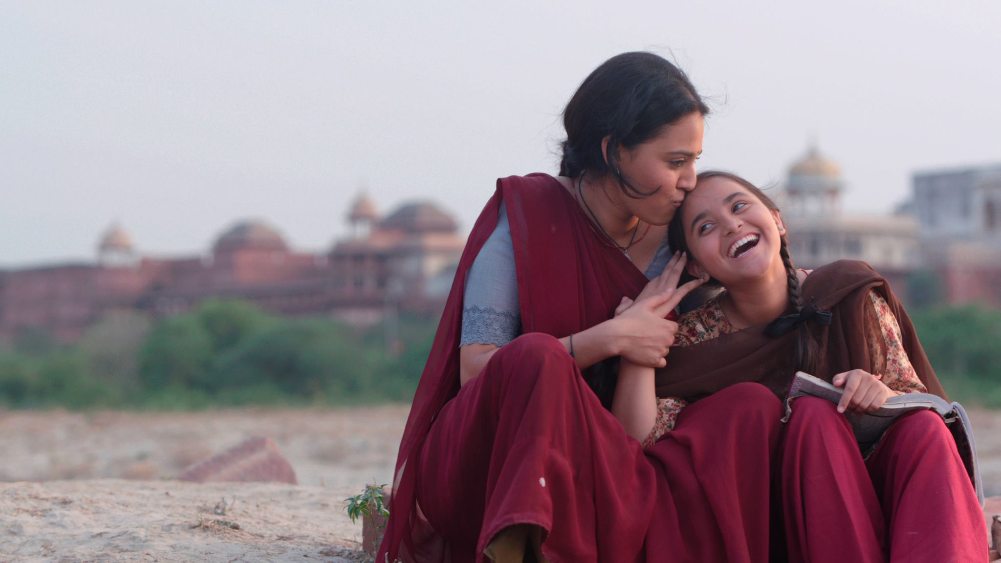
Ashwini Iyer Tiwari’s debut feature is a warm, well-intentioned film about a single mother determined to secure her fifteen-year-old daughter a future she herself never had. The characters are thoughtfully written, and the film’s central argument, that education is not a luxury but a lifeline, is one it makes with genuine feeling.
It is not without its weaknesses. The first half lacks emotional depth, and the film occasionally tips into the kind of earnestness that shades into preachiness. But it finds its footing in the second half, and by the end has earned its warmth honestly. Swara Bhaskar and Pankaj Tripathi turn in stellar performances. The film was later remade in Tamil as Amma Kanakku.
By Sanjay Trehan, Suchin Mehrotra, Shikhar Verma, Arun Kumar, Mansi Dutta

5 thoughts on “11 Indian Films To Watch in 2016”
Comments are closed.