
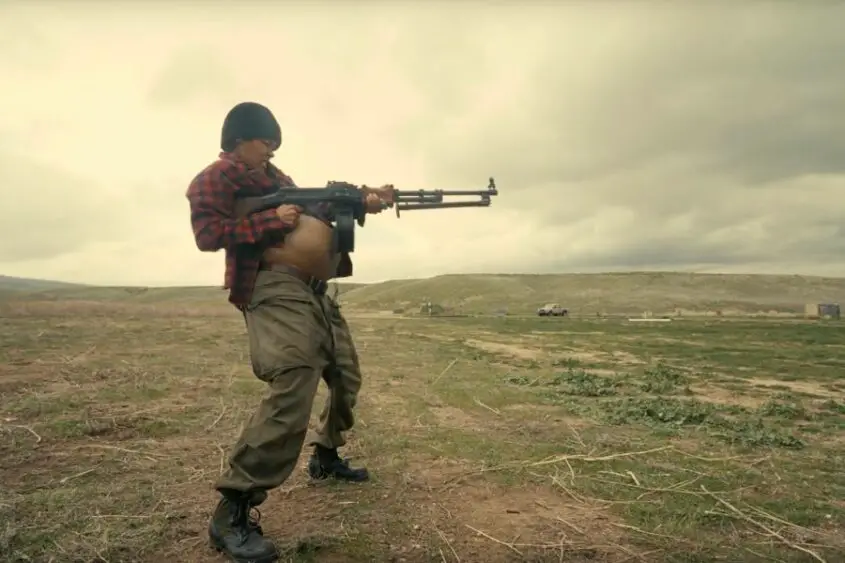
In a year glutted with CGI and AI, the final car chase in One Battle After Another offered something unexpectedly radical. Watching it unfold on the big screen, one could appreciate what so much contemporary action cinema has abandoned—the fundamental grammar of movement, captured with an economy that borders on the austere. That clarity and dynamism became emblematic of some of the year’s best films.
For the industry’s biggest franchises, 2025 often felt like a year of saturation, if not outright fatigue. Major sequels such as Wicked: For Good, Jurassic World: Rebirth, Zootopia 2, and Avatar: Fire and Ash dominated the box office, yet rarely matched the urgency or invention of their predecessors. Where the year truly came alive was in original filmmaking — works ranging from Weapons to Sirat that wrestled with both contemporary anxieties and enduring human questions. These films offered genuine reassurance about cinema’s future, even as concerns grew over Netflix’s increasing consolidation of power in the movie industry following its acquisition of Warner Bros.
Reducing any movie year to rankings and tallies is always a losing game. Still, these 20 films capture why 2025 felt unusually alive as a cinematic moment. Several awards-season contenders and major international releases are absent simply because they remain unavailable, and many of the films included here were undervalued or dismissed amid cultural polarization. Documentaries, too, continue to be sidelined in year-end conversations, despite often proving more bracing and urgent than narrative features. A couple of them belong here without question. Taken together, these films reaffirm why 2025 mattered – the ones that deeply engaged us amidst all the turmoil and chaos.
The Best Movies of 2025
20. The Ugly Stepsister

Emilie Blichfeldt inverts the Cinderella myth by retelling it through Elvira, one of the maligned stepsisters. Like The Substance, The Ugly Stepsister exposes the punishing ideals of beauty and obedience imposed on women and the damage they inflict from within. In 18th-century Norway, Elvira makes increasingly extreme attempts to transform herself in pursuit of desirability, hoping to win the prince at the royal ball.
Blichfeldt leans into grotesque body horror—eyelash stitching, tapeworms—designed to provoke visceral discomfort. Yet shock isn’t the goal. The film approaches Elvira with empathy, reframing her desperation as systemic cruelty rather than personal failure. Peeling back the fairy tale’s glittering surface, The Ugly Stepsister reveals a corrosive fantasy built on shame, conformity, and the policing of women’s bodies.
Director: Emilie Blichfeldt
Cast: Lea Myren, Thea Sofie Loch Naess, Ane Dahl Torp, Flo Fagerli, and Isac Calmroth
Where to watch: Mubi
19. Predators

David Osit’s unsettling documentary Predators interrogates the ethics and long-term implications of the NBC reality series To Catch a Predator, which stages sting operations where alleged child predators are confronted on camera and arrested. Osit asks what’s lost when justice becomes spectacle and mass entertainment. While the program has deterred potential offenders, the documentary reveals the performative cruelty behind it—real crimes repackaged as consumable shock.
Predators is often misunderstood as sympathizing with offenders. What it actually examines is the audience’s appetite for moral dominance—the urge to become judge, jury, and executioner from the couch. Amid today’s exploitative true-crime saturation, Osit’s film forces an uneasy reckoning with voyeurism, punishment, and the darker impulses masked as righteousness.
Director: David Osit
Where to watch: Paramount+
18. Put Your Soul on Your Hand and Walk
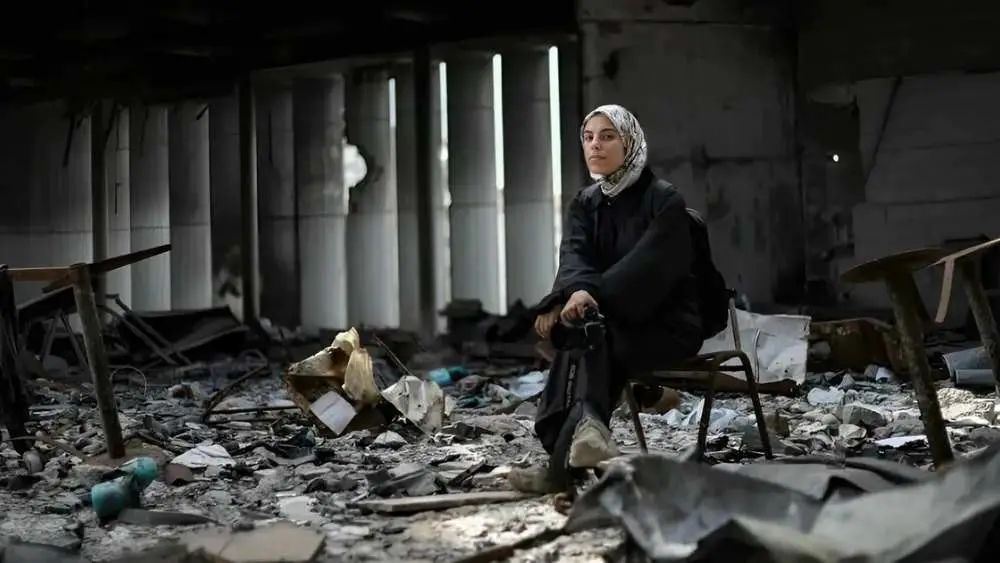
The genocidal assault on Gaza has killed more than 70,000 Palestinians—what many call the shame of our time. Iranian filmmaker Sepideh Farsi confronts this devastation in Put Your Soul on Your Hand and Walk, a documentary built from video calls with 25-year-old photojournalist Fatma Hassona. Through these conversations, the film captures civilian life under relentless bombardment. Even as she mourns relatives and friends, Hassona continues documenting the displaced, the wounded, and orphaned children, bearing witness to survival amid catastrophe.
The day after the film’s selection, an Israeli airstrike killed Fatma and her family. The documentary now stands as urgent testimony to Gaza’s genocide and a memorial to Fatma’s voice, which insisted on being seen and remembered.
Director: Sepideh Farsi
Where to watch: Rent – Prime Video
17. Eddington
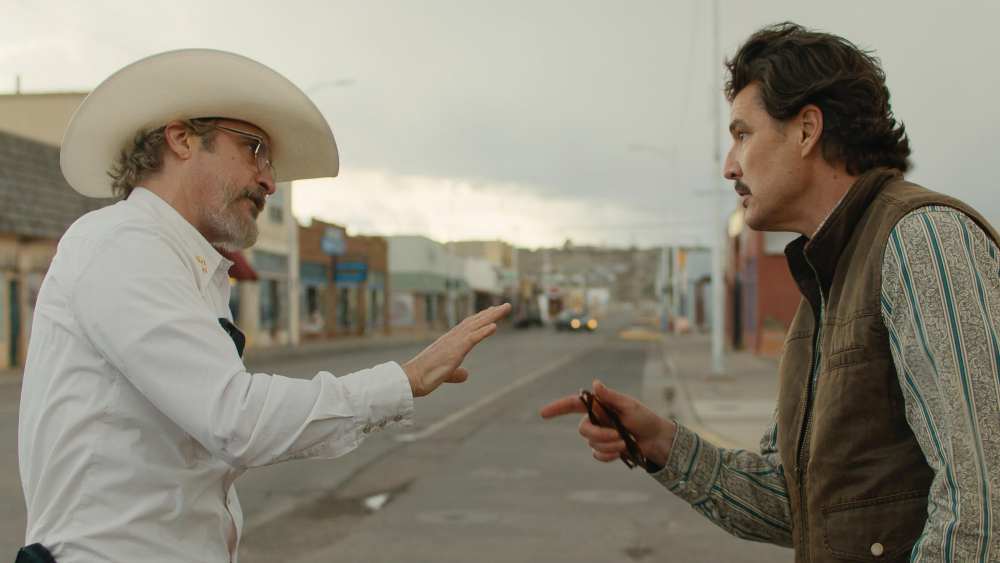
Eddington marks a sharp pivot for Ari Aster—away from horror into abrasive satire—resulting in his most polarizing film yet. Set during the pandemic, the film confronts the fractures of contemporary American political life. The story centers on a bitter, darkly comic standoff between a small-town sheriff and a mayor, a conflict that escalates into something corrosive. Joaquin Phoenix delivers a performance of inward collapse, charting how authority erodes under paranoia and mounting social pressure.
Aster structures the film through deliberately unstable narratives, a choice that left many viewers disoriented. That disorder, however, mirrors the period it depicts, where logic frays and trust in institutions disintegrates. The petty grievances of this isolated town gradually expand into broader allegory, transforming Eddington into a bleak reflection of collective madness.
Director: Ari Aster
Cast: Joaquin Phoenix, Pedro Pascal, Emma Stone, Austin Butler, Amelie Hoeferle, and Michael Ward
Where to watch: Max, Paramount+, rent/purchase – Prime Video
16. Nouvelle Vague

Richard Linklater has long been associated with conversational films like Slacker and Dazed and Confused. With Nouvelle Vague, he applies that sensibility to 1960 Paris, crafting a portrait of Jean-Luc Godard as he prepares his landmark debut, Breathless. Although Linklater is rooted in American independent cinema, the film is shot entirely in French—a choice he’s explained by saying that, for him, “the sound of cinema itself is the French language.”
Nouvelle Vague preserves the looseness and spontaneity of Godard’s early work while adding carefully judged period detail. Certain scenes recreate Godard’s formal techniques with precision, offering cinephiles flashes of recognition without lapsing into empty imitation. More broadly, the film explores the collaborative ecosystem of French filmmaking in the early 1960s. For viewers drawn to rebellious cinema and film history, Linklater’s project feels both affectionate and quietly exhilarating.
Director: Richard Linklater
Cast: Zoey Deutch, Marbeck, Aubrey Dullin, Alix Benezech, and Tom Novembre.
Where to watch: Netflix
15. Roofman
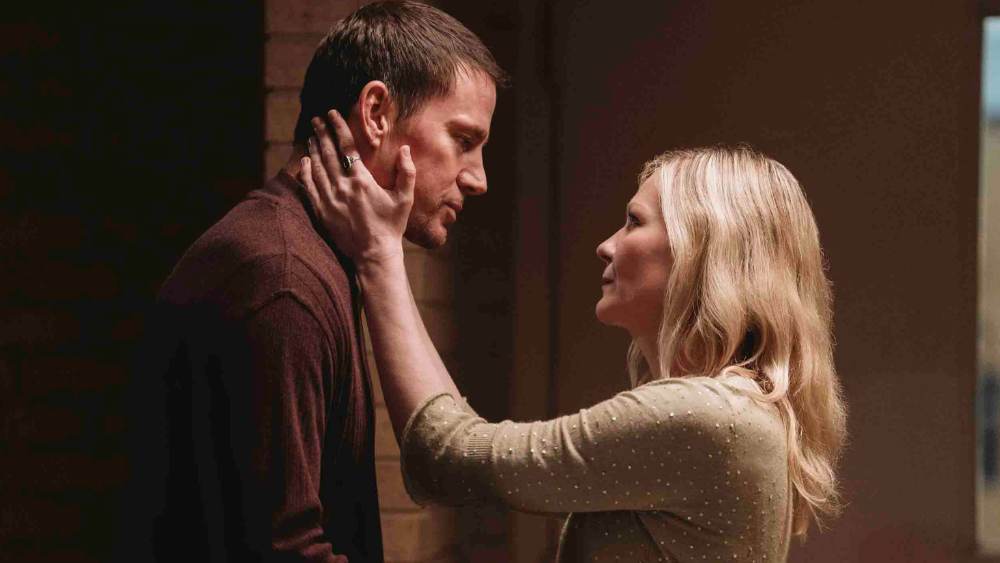
Masculinity under strain has long defined Derek Cianfrance’s cinema, from Blue Valentine to The Place Beyond the Pines. It resurfaces in Roofman, a dramatized true story about a man steadily dismantling his own life. Channing Tatum plays Jeffrey Manchester, an army veteran and struggling father who turns to robbing fast-food restaurants by cutting through their roofs. After his arrest, he escapes custody and survives for months hiding inside a Toys “R” Us store.
Cianfrance approaches Jeffrey less as a criminal curiosity than as a fragile figure operating at the edges of society. His crimes emerge from deprivation and emotional dislocation rather than ambition. Stripped of purpose, Jeffrey treats transgression as a substitute for agency and control. That distortion gradually corrodes his relationships. Though grounded in true crime, Roofman unfolds as an unexpectedly tender character study, shaped by empathy rather than judgment.
Director: Derek Cianfrance
Cast: Channing Tatum, Kirsten Dunst, Peter Dinklage, LaKeith Stanfield, Juno Temple, and Lilly Collias
Where to watch: Lionsgate Play
14. Homebound

Mentored by Martin Scorsese, Neeraj Ghaywan delivers a quietly devastating portrait of lives shaped by structural inequality in Homebound. The film follows two close friends from a rural village, both from marginalized communities, who pin their hopes on securing a police job as a pathway to long-denied dignity. That aspiration collides repeatedly with the rigid limits of caste, class, and bureaucracy. The Covid-19 lockdown becomes a breaking point, exposing how quickly the system abandons those already at the margins and how indifference functions as brutality.
Homebound is Ghaywan’s second feature after his acclaimed debut Masaan (2015), and it stands as equally assured work, if not superior. Inspired by a New York Times op-ed, Ghaywan crafts a narrative that balances urgency with restraint, allowing systemic cruelty to emerge through daily experience.
Director: Neeraj Ghaywan
Cast: Ishaan Khattar, Vishal Jethwa, Jhanvi Kapoor, and Shalini Vatsa
Where to watch: Netflix
13. Left-Handed Girl

Taiwanese-American filmmaker Shih-Ching Tsou, a key creative collaborator and producer on The Florida Project and Red Rocket, makes her directorial debut with Left-Handed Girl, Taiwan’s official submission for the 2026 Academy Awards. Set in Taipei, the film follows a single mother and her two daughters as they relocate to the city and rebuild their lives by opening a modest noodle stand at a bustling night market. The story unfolds largely through the eyes of five-year-old I-Jing, whose quiet observations reveal fear, shame, and confusion as the family’s emotional fractures surface.
Shot entirely on iPhones, the film achieves an intimate immediacy, capturing the daily grind of survival and the unspoken burdens often placed on Asian women. I-Jing’s silent absorption of humiliation—triggered by her grandfather’s careless remarks—is heartbreaking. At the same time, the film offers a textured, street-level portrait of Taipei. Sean Baker returns as co-writer, co-producer and editor.
Director: Shih-Ching Tsou
Cast: Nina Ye, Janal Tsai, Shi-Yuan Ma, Brando Huang, and Akio Chen
Where to watch: Netflix
12. Late Shift
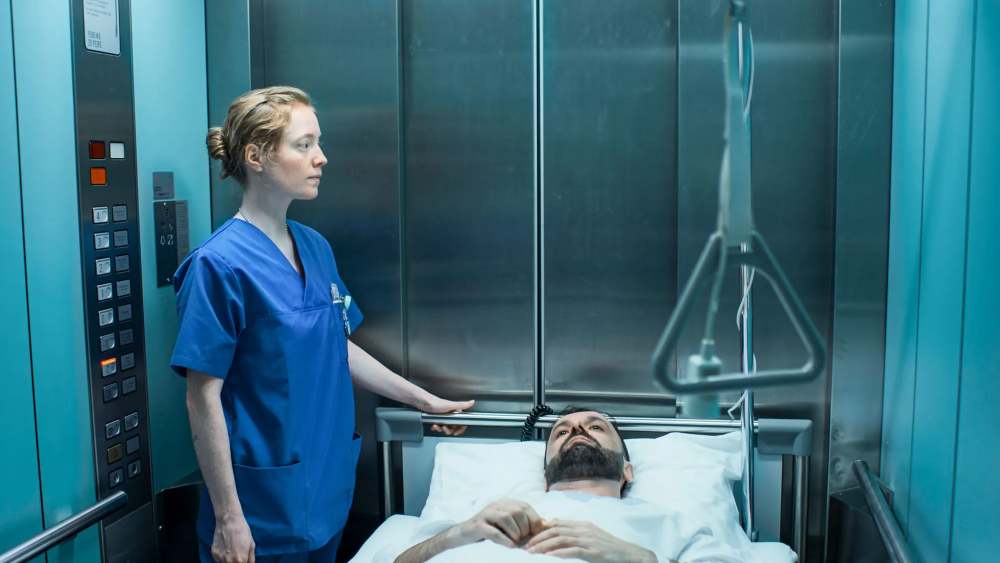
After Teachers’ Lounge and September 5, Leonie Benesch’s appearance in Late Shift completes an unintentional trilogy of high-pressure, anxiety-driven performances. In this healthcare drama, Benesch plays Floria, a committed nurse assigned to a late shift in an understaffed hospital ward. Like many films about frontline labor, Late Shift builds its drama through steady accumulation. A routine workday becomes a chain of emergencies, each compounding the last.
Floria is expected to project patience, care, and emotional steadiness while navigating grim conditions and punishing hours. The film stays close to that contradiction, observing the quiet toll it exacts. Volpe’s direction remains controlled and attentive, allowing small gestures and pauses to carry weight. The result is a film that examines healthcare work with clarity and empathy. For viewers drawn to tense, grounded drama, Late Shift delivers.
Director: Petra Volpe
Cast: Leonie Benesch, Jurg Pluss, Sonja Riesen, and Aline Beetschen
Where to watch: Rent/purchase – Apple TV, BFI Player
11. No Other Choice
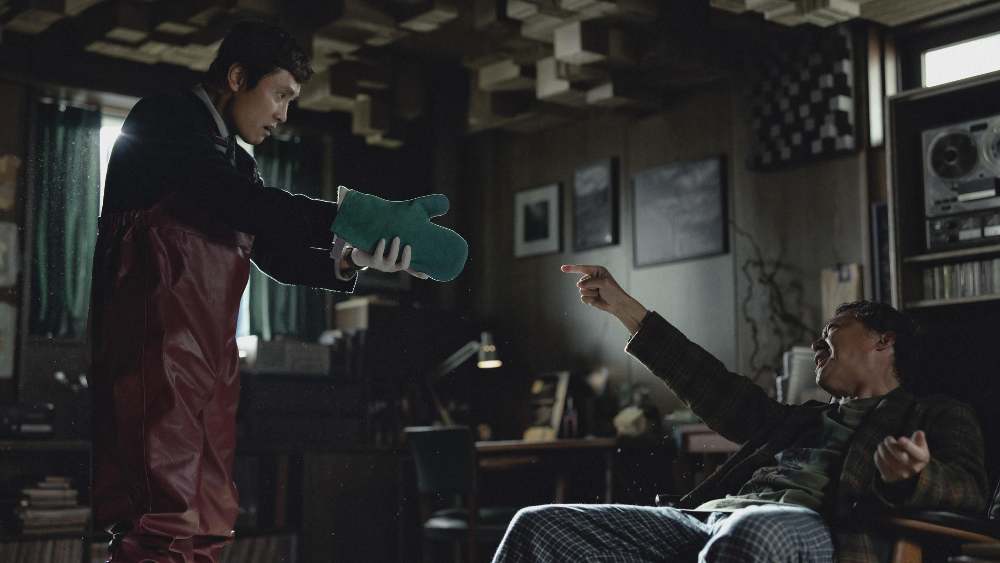
Park Chan-wook’s latest dark comedy draws from Donald Westlake’s 1997 novel The Ax and frames its story as a grim fable about contemporary work culture. No Other Choice centers on Man-soo, a senior executive at a paper company who is abruptly laid off after twenty-five years. As his job search grows increasingly desperate, he begins removing his rivals—literally. Coming after Decision to Leave, the film shows Park working with remarkable control, using precise camera placements and judged transitions to quietly shape each scene.
The first half leans into a warped, playful tone, building toward Man-soo’s initial act of violence with mounting absurdity. As the story progresses, the mood tightens into a suspense-driven, Hitchcockian register. The shift feels deliberate and confident, allowing the film’s dark humor and tension to coexist without undercutting each other.
Director: Park Chan-wook
Cast: Lee Byung-hun, Son Ye-jin, Park Hee-soon, Yeom Hye-ran, and Lee Sung-min
Where to watch: NA
10. If I Had Legs, I’d Kick You
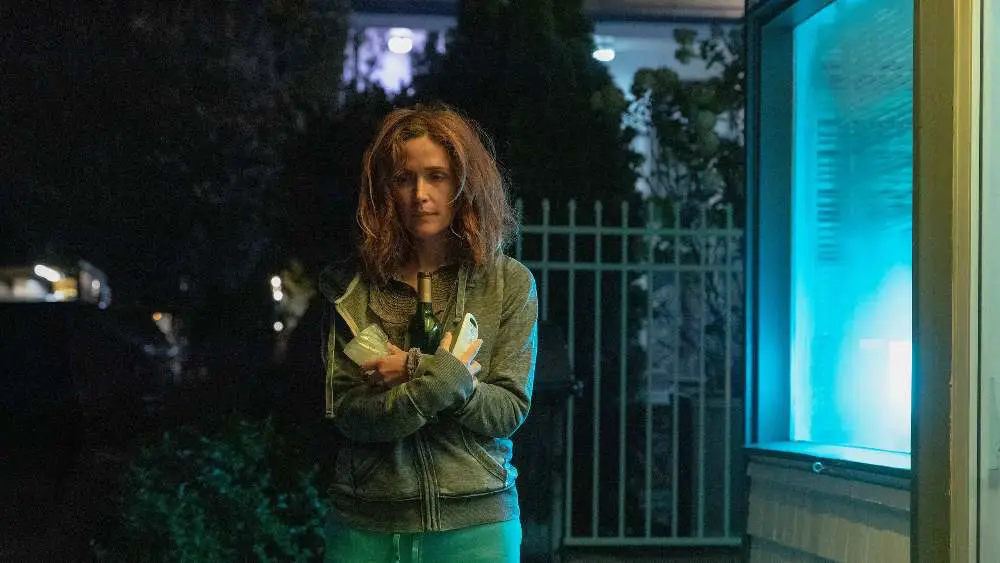
Mary Bronstein’s second feature is a suffocating, abrasive study of motherhood pushed to its limits. The film centers on Linda, a therapist who spends her days caring for others while barely holding together at home, where she is solely responsible for her chronically ill daughter. When a plumbing failure renders the apartment unlivable, Linda drags what little stability she has left into a cheap, decaying motel. Her husband remains absent—a distant, largely useless voice on the phone.
Bronstein leans hard into horror textures to mirror Linda’s mental and physical exhaustion. The camera stays close, trapping us inside her frayed perception as routine caregiving becomes relentless and punishing. By keeping the child mostly off-screen, the film sharpens its focus on Linda’s unraveling. The pacing is jittery, nerve-racking, recalling the anxious momentum of the Safdie brothers’ Good Time and Uncut Gems. For viewers drawn to intense psychological drama, this film doesn’t flinch.
Director: Mary Bronstein
Cast: Rose Byrne, Conan O’Brien, A$AP Rocky, and Christian Slater.
Where to watch: Rent/buy – Prime Video, Apple TV
9. Frankenstein

Guillermo del Toro adapts Mary Shelley’s Frankenstein with a clear shift in emphasis. The familiar myth is reshaped to focus on family, damaged parenthood, and how violence and neglect pass from one generation to the next. Del Toro lingers on emotional inheritance rather than spectacle. He treats the monster with sustained empathy, and the creature’s slow shift from innocence to awareness exposes uncomfortable truths about abandonment, responsibility, and human cruelty.
Visually, the film inhabits del Toro’s gothic sensibility. Ornate sets, dense shadows, and integrated visual effects give the film a tactile quality that feels increasingly rare. The craft never overwhelms the emotions. Unlike Crimson Peak, which remained distant despite its beauty, Frankenstein carries deeper characterization and performances with genuine emotional weight.
Director: Guillermo del Toro
Cast: Jacob Elordi, Oscar Isaac, Mia Goth, Christoph Waltz, and Charles Dance.
Where to watch: Netflix
8. Sinners
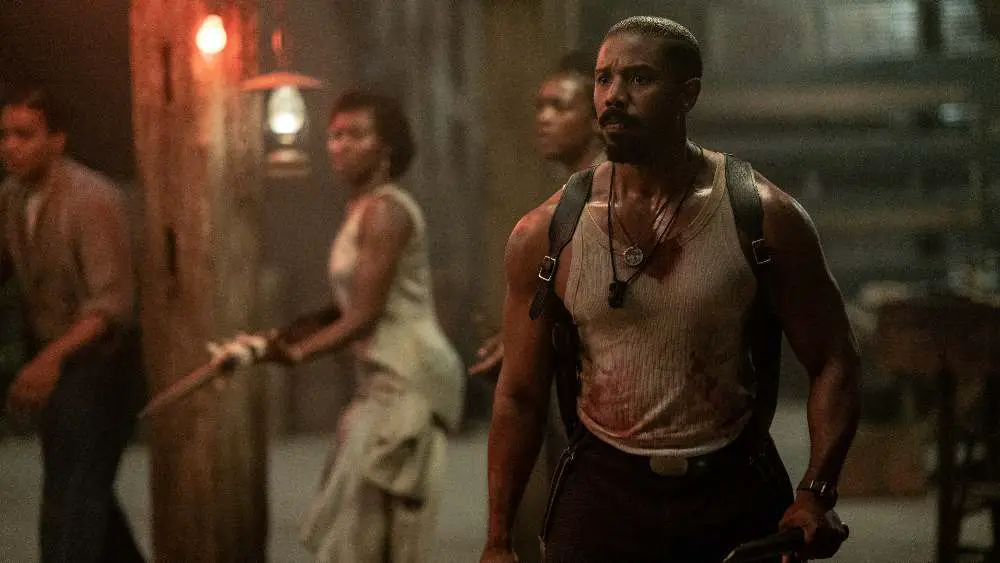
Ryan Coogler sets his vampire horror in Prohibition-era Mississippi, grounding the genre in sweat, music, and history. Identical twin brothers return to their hometown, hoping to build something of their own, buying a dilapidated sawmill and turning it into a juke joint meant for the local Black community. Their gifted younger cousin Sammie tags along, drawn by music more than money. The opening night feels celebratory at first, loud and alive, until it curdles into violence when an Irish immigrant insists on being “invited” inside.
Coogler uses vampirism as a metaphor for power: who consumes, who is consumed, and who vanishes in the process. The film’s ideas about colonialism, appropriation, and white supremacy are never laid out like a thesis. Besides, Sinners never forgets to be entertaining. It leans into scale, rhythm, and horror, delivering set pieces that are brutal, theatrical, and hard to shake.
Director: Ryan Coogler
Cast: Michael B. Jordan, Hailee Steinfeld, Wunmi Mosaku, Miles Caton, and Delroy Lindo
Where to Watch: Jio Hotstar, Max
7. It Was Just an Accident

Despite a long-standing ban on filmmaking, Jafar Panahi continues to make defiant work. It Was Just an Accident follows a group of former political prisoners who encounter a man they believe was once their torturer. They argue over whether to take revenge, but the situation fractures when the man denies knowing them or what they accuse him of. What follows is a tense road journey—uncomfortable, often grim, punctuated by moments of dark humor.
Although it begins like a familiar revenge story, Panahi keeps folding doubt and hesitation into every exchange. The group’s shared history and buried anger don’t lead to clarity. Instead, their arguments and silences push the film into stranger territory. This is essential viewing for anyone living under, or worn down by, an authoritarian system.
Director: Jafar Panahi
Cast: Mariam Afshari, Vahid Mobasseri, Hadis Pakbaten, and Ebrahim Azizi.
Where to watch: Rent/purchase – Prime Video, Apple TV
6. Train Dreams (2025)
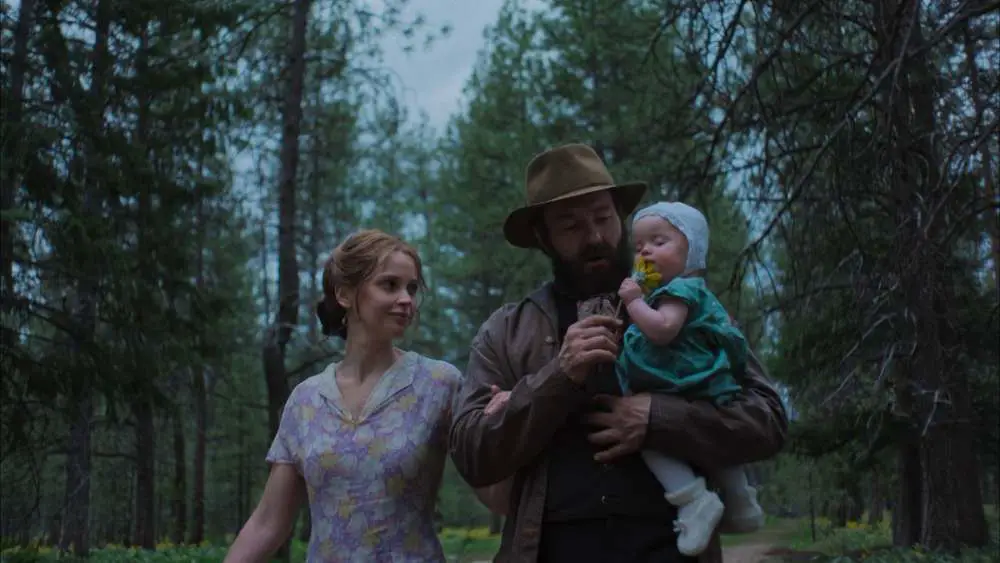
This Terrence Malick–ian adaptation of Denis Johnson’s 2011 novella traces the unremarkable, quietly devastating life of Robert Grainier, a logger and railroad worker in the early 20th century. Set in the Pacific Northwest at the edge of America’s industrial surge, Train Dreams stays close to one man’s intimacy with the natural world, even as that world is steadily altered, consumed, and leaves him behind. Grainier’s life holds moments of tenderness alongside long stretches of loss. Time and nature conspire to take away what matters most, even as he notices small, stubborn flashes of beauty in the everyday.
What lifts the film is the combination of deeply felt performances and Bentley’s confident, restrained direction. Rather than shaping the story around conventional dramatic arcs, the film preserves the novella’s drifting sense of time passing. That choice gives the film its quiet power, allowing meaning to accumulate gradually instead of announcing itself. Train Dreams is a must-watch for anyone in the mood for a contemplative drama.
Director: Clint Bentley
Cast: Joel Edgerton, Felicity Jones, William H. Macy, and Kerry Condon
Where to watch: Netflix
5. Sorry, Baby

Eva Victor’s directorial debut is a rare, sharply observed character drama. Victor also stars as Agnes, a woman in her twenties working as a professor while quietly carrying the aftermath of sexual assault. Structured across five non-chronological chapters, the film moves between Agnes’s life before the Bad Thing and her stalled attempts to move forward in a confining small town.
The film resists the weightiness its subject might suggest. Rather than sinking into bleakness, Victor threads dry humor and gentle melancholy through Agnes’s daily routines. Some of the film’s funniest moments arrive unexpectedly, especially in Agnes’s conversations with her best friend, Lydie. Humor becomes Agnes’ shield, a way of staying functional without fully confronting the pain beneath.
Sorry, Baby is ultimately less concerned with catharsis than with endurance. It focuses on recovery as an uneven, ongoing process, refusing tidy resolutions in favor of something quieter, harder, and more honest.
Director: Eva Victor
Cast: Eva Victor, Naomi Ackie, Lucas Hedges, Louis Cancelmi, and John Caroll Lynch.
Where to watch: Rent – Prime Video
4. Weapons
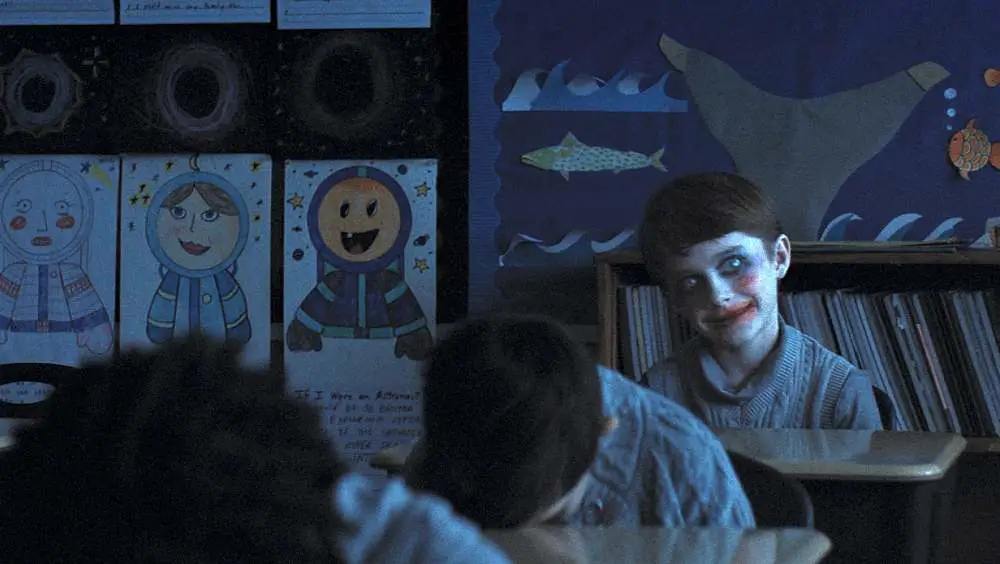
Zach Cregger pushes his fondness for misdirection and abrupt narrative pivots even further in his second feature. Weapons unfolds as a Stephen King–tinged mystery, set in a small town where an entire classroom of children vanishes overnight—save for one. Rather than following a single investigative thread, Cregger fragments the story across multiple characters, letting overlapping perspectives slowly expose the rot beneath the surface.
Cregger again shows a sharp instinct for tonal control, shifting easily between creeping dread and grimly comic detours. For most of its runtime, Weapons sustains an uneasy balance between ominous atmosphere and pitch-black humor, before tipping into a schlocky finale that feels both indulgent and deliberate. While the eventual explanation behind the mystery may frustrate some viewers, the film’s constant narrative feints keep it compulsively watchable.
Amy Madigan’s Aunt Gladys is a standout—a deeply unsettling presence who lingers long after the credits roll. Viewers with a taste for genre hybrids and horror that wrong-foots its audience will find plenty to savor here.
Director: Zach Cregger
Cast: Julia Garner, Josh Brolin, Amy Madigan, Benedict Wong, Austin Abrams, and Alden Ehrenreich
Where to watch: Rent – Prime Video, Apple TV+
3. Sentimental Value
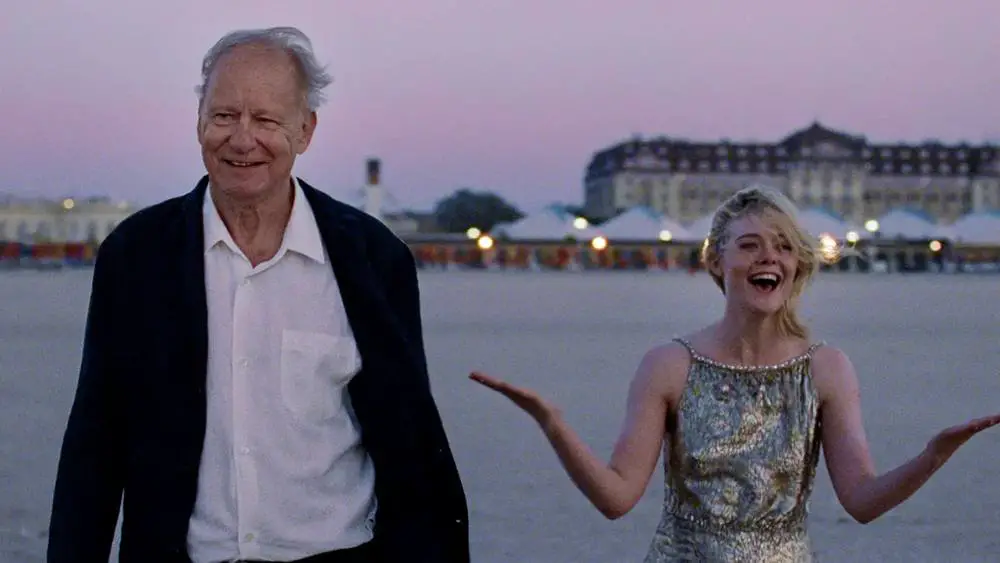
Sentimental Value is a Bergman-inflected family drama, with clear echoes of Persona. The film centers on an emotionally distant father, a filmmaker, and his estranged daughter, a stage actor shaped by years of quiet neglect. When the father attempts a late-career comeback by casting his daughter, unresolved wounds resurface, blurring the line between artistic ambition and emotional reckoning.
Trier interrogates the parent–child relationship through what is inherited rather than spoken: trauma, memory, and emotional debt. As in his earlier films, he examines the cost of emotional repression, particularly in families where intellect and creative ambition replace intimacy and vulnerability. The film’s meta qualities deepen this conflict, turning art itself into a site of tension rather than refuge.
Sentimental Value makes few concessions to viewers seeking emotional catharsis. Instead, it asks us to inhabit ambiguity—to sit with what cannot be fixed or explained away.
Director: Joachim Trier
Cast: Renate Reinsve, Stellan Skarsgard, Elle Fanning, and Anders Danielsen Lie
Where to watch: Rental/purchase – Amazon Prime Video
2. Sirat

Oliver Laxe’s unsettling, meditative drama follows a father, Luis, searching for his missing daughter in South Morocco, where she was last seen at a desert rave. Accompanying him is his younger son, Esteban. Along the way, they join unlikely travel companions and are gradually pulled into the undertow of a ruthless global conflict.
Sirat feels unmistakably of our moment, weaving societal collapse and endless armed struggle into a story of grief and disillusioned outsiders. These compassionate figures hope for escape from an emptied world, but the film’s chain of jolting events suggests that escape itself may be an illusion.
The film also offers a striking, unsentimental look at rave culture. Viewers should know that Sirat resists easy narrative resolutions or emotional closure. It is likely to resonate most with cinephiles drawn to films that are haunting, ambiguous, and quietly reflective.
Director: Oliver Laxe
Cast: Sergi Lopez, Bruno Nunez, Jade Oukid, and Stefania Gadda
Where to watch: NA
1. One Battle After Another
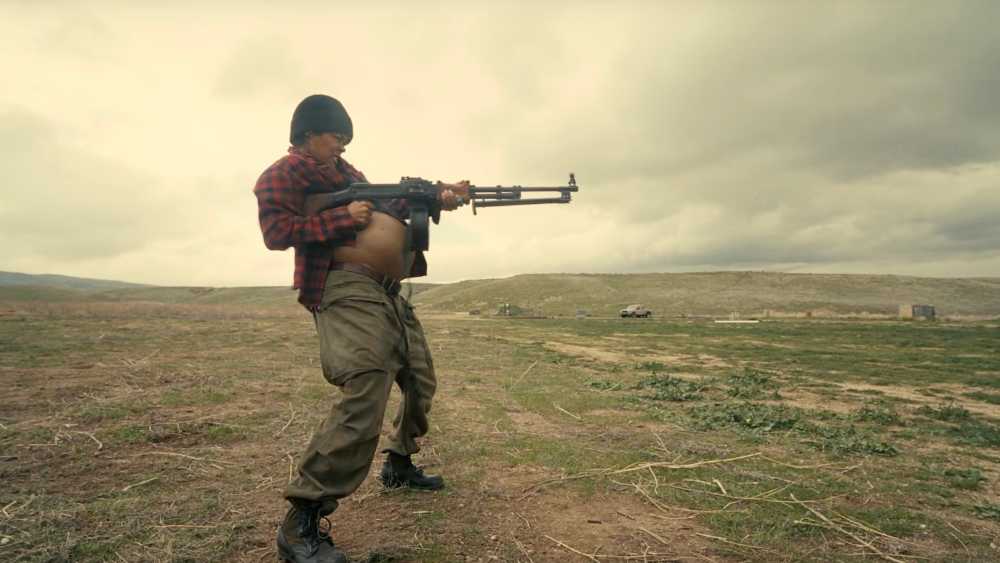
In Paul Thomas Anderson’s One Battle After Another, DiCaprio once again plays a comical, burned-out character without being reduced to a caricature. The film revolves around Leo’s Bob Ferguson, a former radical trying to protect his daughter from the old nemesis, Colonel Steven Lockjaw (Sean Penn). This is perhaps Anderson’s most entertaining film, filled with frenetic and spectacularly staged set-pieces. Nevertheless, with One Battle After Another, the American auteur offers a mature take on political idealism, weaponized bigotry, immigration, and parenthood.
Besides, Anderson uses dark humor to puncture the self-mythologizing absurdities embedded in institutions and protest movements alike. Unlike Anderson’s usual prestige-crowd films, such as The Master or Phantom Thread, One Battle After Another speaks directly to younger audiences worn down by endless political cycles.
Director: Paul Thomas Anderson
Cast: Leonardo DiCaprio, Sean Penn, Chase Infiniti, Teyana Taylor, and Benicio del Toro.
Where to watch: Rent – Prime Video, Apple TV+, Google Play
Honorable Mentions
James Cameron returned with Avatar: Fire and Ash, a visually stunning threequel that nonetheless feels emotionally muted. Darren Aronofsky delivers Caught Stealing, a twisted noir that ranks among his less provocative work, while Rian Johnson’s Wake Up Dead Man offers a character-rich murder mystery elevated by a splendid ensemble.
Andrew DeYoung’s dark comedy Friendship captures the modern epidemic of male loneliness with uncomfortable precision, and Yorgos Lanthimos continues his exploration of human depravity in Bugonia, a riveting black comedy that finds humanity at its worst. Joseph Kosinski brings spectacle with F1, a dazzling racing film anchored by Brad Pitt’s charismatic performance, and James Sweeney crafts Twinless, an inventive tragicomedy navigating grief and isolation.
Biggest Surprises
Steven Soderbergh delivered an unexpected highlight with Black Bag, a tightly written spy drama elevated by supremely tense dialogue. Dan Trachtenberg surprised audiences by turning the brutal Yautja into an unlikely Disney hero in Predator: Badlands, an enjoyable popcorn spectacle. Kelly Reichardt shifted gears with The Mastermind, a nuanced drama focused on the aftermath of a heist gone horribly wrong, while Danny Boyle returned to frenetic zombie mayhem with the stylish 28 Years Later.
Marvel’s Thunderbolts*, despite its commercial failure, offered a glimmer of hope for the franchise through the entertaining misfit adventures at its core. The Philippou brothers followed their breakout Talk to Me with Bring Her Back, a chilling portrait of grief in its most distorted and pathological form.
Conclusion
Moral exhaustion was the prevailing theme this year. In One Battle After Another, Sirat, Sinners, and It Was Just an Accident, characters are worn down and cornered by a world where moral clarity guarantees no salvation. Films like If I Had Legs I’d Kick You, Frankenstein, The Ugly Stepsister, and Sorry, Baby locate anxiety and burden in the body itself. Intimate, poisonous relationships within cramped domestic spaces was another recurrent theme, cue films like Sentimental Value, Left-Handed Girl, Train Dreams.The defining quality of films this year is the collapse of the hero. From One Battle After Another to No Other Choice, Roofman, and Eddington, protagonists don’t conquer—they endure and survive. There are no clear catharses or narrative arcs, only the moral ambiguity of the era reflected back.
Be sure to bookmark this page; we’ll update it regularly with new releases throughout the year.
