
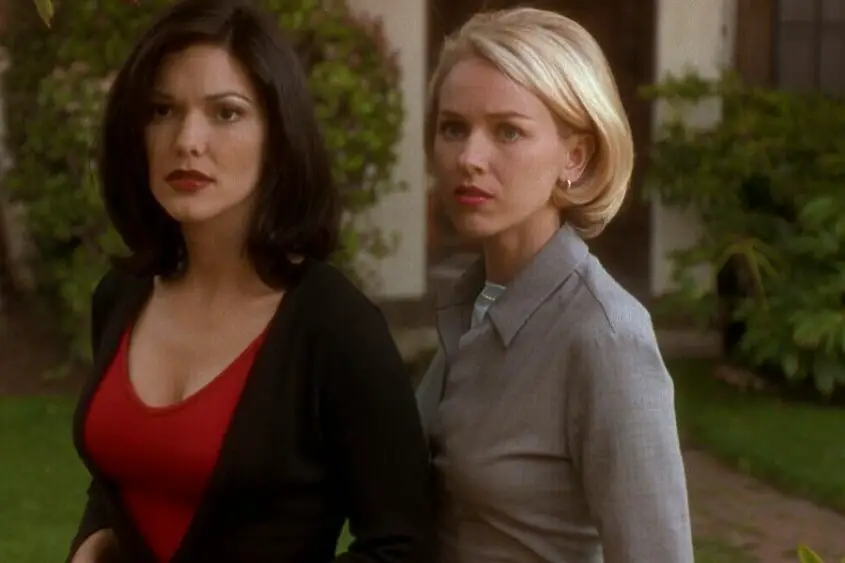
“There is no band.”
That’s the moment everything falls apart in Mulholland Drive. The illusion cracks. The dream collapses. And if you’ve ever watched David Lynch‘s masterpiece, you know exactly what I’m talking about—that sickening feeling when you realize nothing you just watched was real.
But here’s the thing: Mulholland Drive isn’t trying to trick you. It’s doing something far more ambitious. This isn’t The Sixth Sense (1999), Fight Club (1999) or Shutter Island (2010) where the final act recontextualizes our perspective. Lynch doesn’t hand you a puzzle with one correct solution. He gives you a nightmare, and asks you to feel your way through it.
So before we dive into what this film actually means, know that there is no single “right” answer. Lynch wants you to experience Diane’s psychological collapse, not just decode it.
Let’s break down how he does it.
The Dream Factory
The film has a structure: everything before Club Silencio is Diane’s dying fantasy. Everything after Club Silencio is reality crashing in.
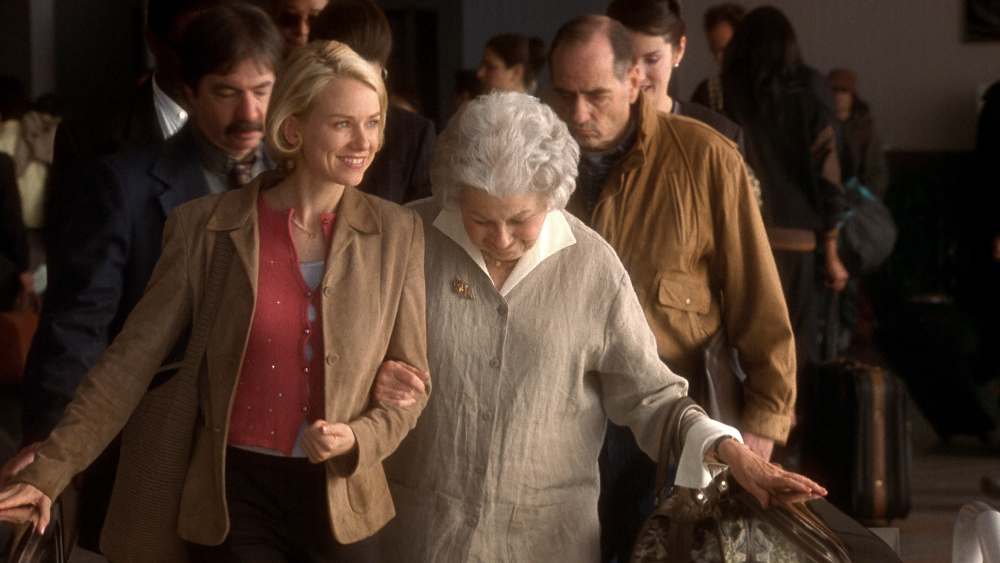
But it opens before any of this: a jitterbug contest. Diane, young and victorious, lifted by a cheering crowd. Then we see an elderly couple on a plane, smiling, waving goodbye to someone. Pleasant. Harmless. Remember them, they’ll return.
Mulholland Drive weaves together multiple storylines. But the central one? Betty’s arrival in Hollywood and her quest to solve the mystery of an amnesiac woman.
Betty comes from a small town in Canada, chasing her dream of becoming an actress. She’s staying at her aunt’s place, a beautiful mansion. There in the shower, she finds a woman with no memory. The woman sees a Rita Hayworth poster, and that becomes her name.
Rita needs Betty’s help. Rita remembers only one thing: a car accident on Mulholland Drive. Betty finds a bag stuffed with cash among Rita’s belongings. A clue at a diner leads them to a name. Diane Selwyn. Could that be Rita’s real identity?
Meanwhile, Betty’s preparing for an audition. She rehearses with Rita at the apartment, stilted and awkward. But at the audition, she aces it, wowing the cast and crew.
Within days, Betty’s dream seems within reach.
But something’s off. Betty and Rita notice men following them. After losing their tail, they finally make it to Diane’s apartment.
Then there’s the other major storyline: director Adam Kesher, locked in a losing battle with the Hollywood machine.
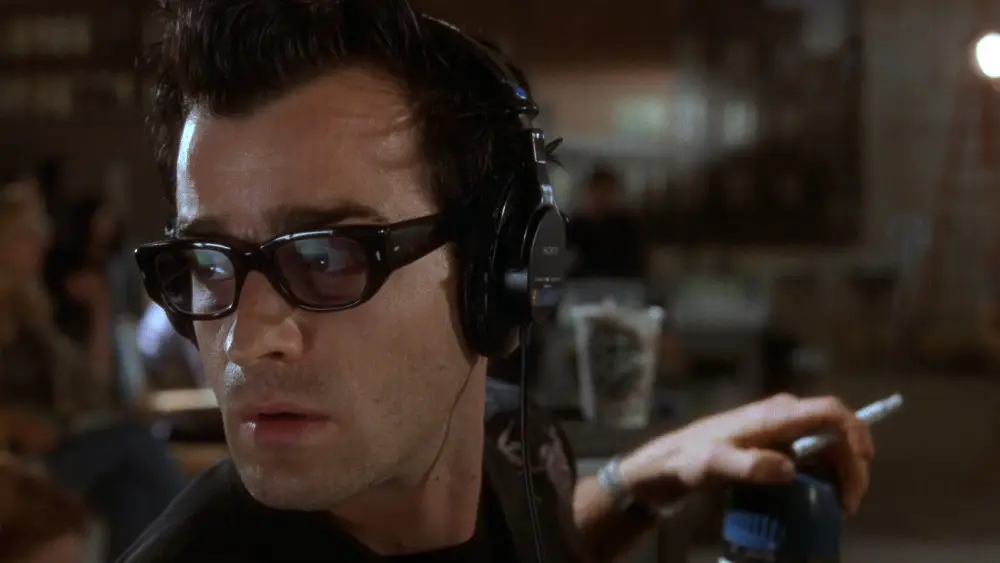
Adam’s storyline runs parallel to Betty’s, but notice: they never quite meet in the dream. Lynch keeps them in separate orbits, like storylines that should intersect but don’t. Because in reality, Adam chose Camilla, not Diane. The dream can’t let them connect, it would break the fantasy.
Adam’s lost all creative control. “This is the girl,” the producers tell him. They’re mobster-like figures dictating his every move. The Castigliani Brothers. Mr. Roque. The Cowboy. These shadowy players represent the faceless authority running Hollywood.
We also get this darkly comic subplot about a hitman who completely bungles a job and ends up killing two more people just trying to cover his tracks.
And there’s this unsettling scene at a diner called Winkie’s. A man describes his recurring nightmare about something lurking behind the building. To confront his fear, he walks around back. When he sees what’s there—the monster from his dream—he collapses.
The first real crack in Betty’s reality appears when Rita says something strange: “There’s no band.” This pulls them to a small, old theater, Club Silencio, where the illusion finally shatters.
After Club Silencio, we cut to a woman waking up. But it’s not Betty.
The Reality
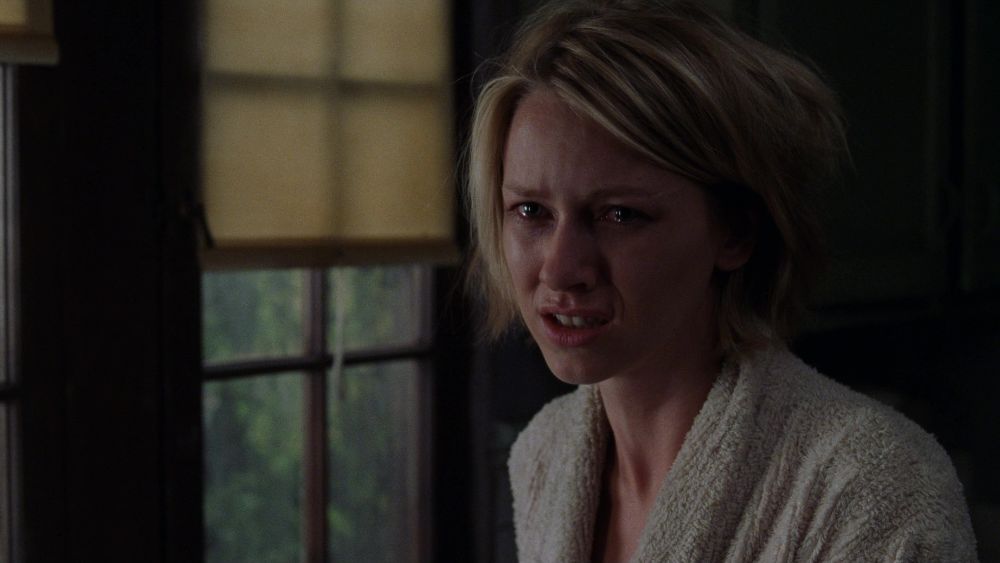
Her name is Diane. Betty was never real, just who Diane wished she was.
Rita fades away too; she was never real. She is Diane’s fantasy version of Camilla, her friend and former lover, stripped of agency, memory, and power, remade into someone who needs saving.
Diane lives in a cramped, messy apartment, not a mansion. And the truth is: her acting career has gone nowhere. What makes it worse? Watching Camilla succeed where she failed, until her envy grows to the point of doing the unthinkable: hiring a hitman to kill Camilla. What follows is despair, self-destruction, and complete psychological collapse.
So what really happened?
To Diane, Camilla’s success confirms her worst fear: the system doesn’t reward talent or virtue. It rewards compromise. All that longing, rage, and rejection builds until it pushes Diane to murder.
Watch for one cryptic moment: Mr. Roque makes a phone call. “The girl is still missing.” He’s talking about Rita—Diane’s dream keeps Camilla alive because in Diane’s dying mind, she is still missing. The hitman hasn’t called. The blue key hasn’t arrived. Diane can’t admit what she’s done.
When Hollywood Turns Mythic
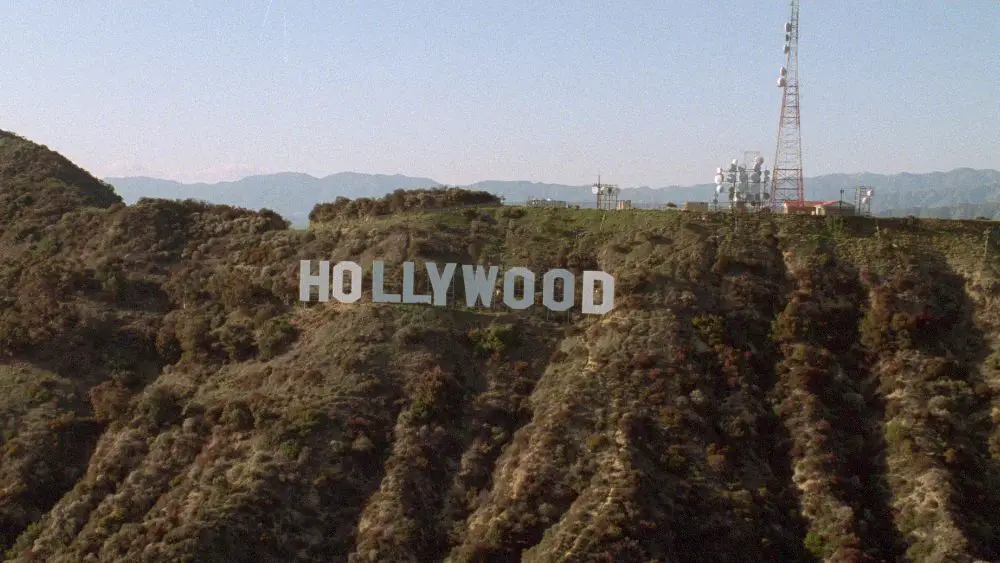
David Lynch turns people and places into abstract concepts. Mulholland Drive, Betty’s aunt’s mansion, the spot where Adam meets the Cowboy—they’re all near the Hollywood sign. That’s not accidental. The sign represents Hollywood glamor and mystique.
The Cowboy himself? He’s the personification of Hollywood. More specifically, he’s the cold, faceless authority that decides who succeeds and who disappears. The Cowboy is usually an inspirational American Dream figure. Here, Lynch twists him into something darker.
In the fantasy, Diane invents a conspiracy. She reinvents the power dynamics. She inflates the system into something occult.
Watch how the same phrase echoes through the dream: ‘This is the girl.’ The Castigliani Brothers say it. The Cowboy says it. They all mean Camilla. They’re forcing Adam to cast her—not because of talent, but because of some unseen power structure.
This is how Diane protects herself. If powerful forces rigged the game, her failure isn’t personal – it’s systemic. She can live with that.
Here’s proof of Diane’s self-delusion: In the fantasy, Betty rehearses with Rita using lines from the script —’The Sylvia North Story.’
And when she auditions, she’s reading the same lines. Diane’s subconscious can’t even invent new dialogue.
The reality is more banal—and more revolting.
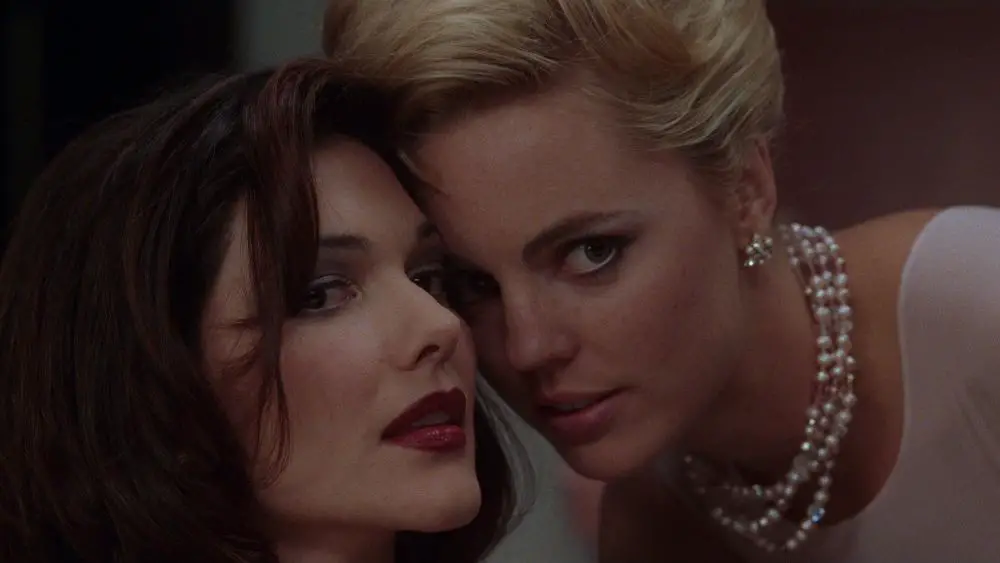
The party at Adam’s house is where everything crystallizes. Camilla brings Diane as a guest, not a partner. She kisses another woman right in front of her. Then Adam announces his engagement to Camilla.
One of the Castigliani Brothers is there too—not the mob gatekeeper from the fantasy, just a leering producer who likely traded the role for sexual favors.
Watch Diane’s discomfort when she mentions they both auditioned for The Sylvia North Story, but Camilla got it.
Adam’s mother pats Diane’s hand in sympathy.
This is the final humiliation—not just losing Camilla, but being forced to witness her happiness, her success, her new life. While Diane has nothing.
And here’s the kicker: Diane got the same offer. Camilla mentioned a “shortcut” before the party. The implication is clear. Diane could advance her career like Camilla if she’s willing to pay that price.
So Diane’s breakdown isn’t just envy. It’s the conflict between ambition and shame that eventually drives her to murder Camilla.
But the fantasy can’t survive the weight of that choice.
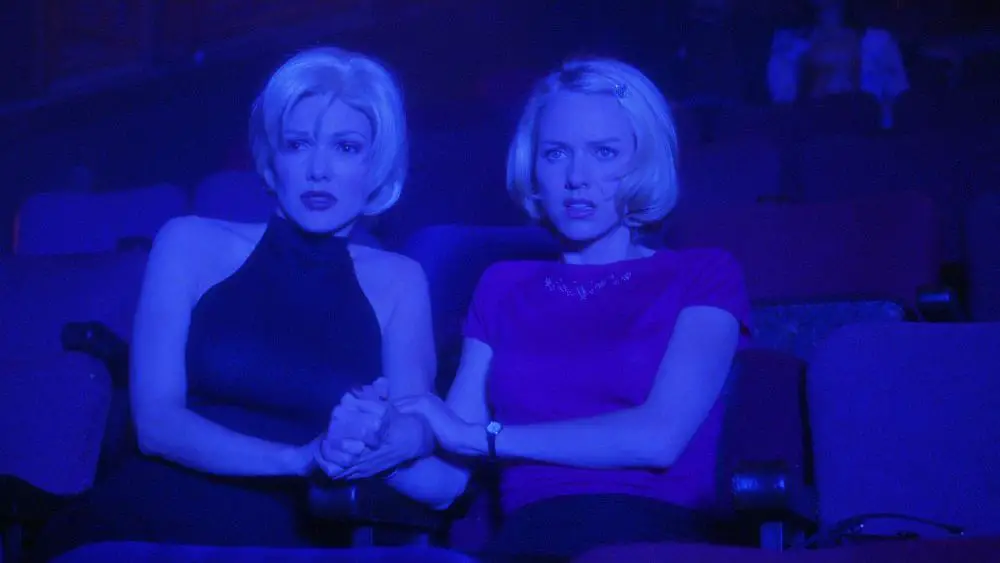
At Club Silencio, the dream breaks. Diane’s awakening—her moment of self-indictment.
Listen to the sound: echo, reverb, silence that isn’t silent. When Rebekah Del Rio performs, she collapses—but the song continues. The audio shifts. Too perfect. Pre-recorded. Lynch uses sound itself to reveal the artifice.
Pre-recorded tracks, lip-synced performances—this is how the movie industry manufactures emotion on command. We accept the illusion even when we know it’s fake. That’s the dream factory—the same Hollywood that destroyed Norma Desmond, now claiming another victim.
The Self As A Hollywood Illusion
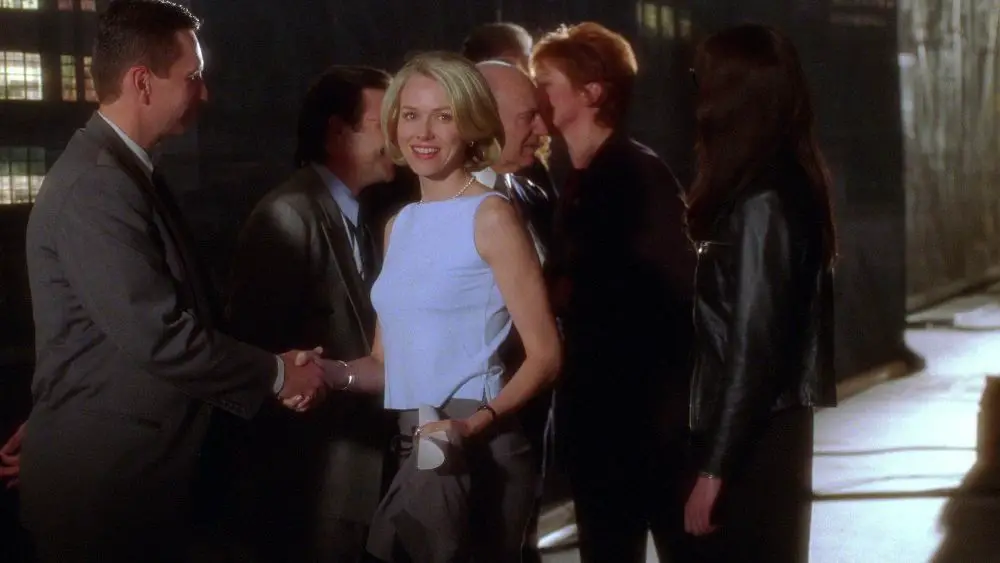
Diane’s alter ego, Betty, isn’t just a fantasy version of herself. She’s built from Hollywood’s own mythology.
Betty isn’t just optimistic—she’s a 1950s archetype. Earnest. Polite. Supportive. Untouched by cynicism. She’s the actress Diane thinks she should have been: pure talent rewarded by merit.
In Diane’s fantasy, Hollywood still works that way. Betty arrives in L.A. Within days, she auditions for the director, producer, and casting agent. She stuns them all. The message is clear: show your talent, get recognized immediately. That’s how it’s supposed to work, right?
But Betty’s entire sense of self is fused with this Hollywood dream. So when reality doesn’t match the fantasy, her identity collapses.
Cinematographer Peter Deming shoots the fantasy in warm, golden tones—classic Hollywood glamour lighting. Faces glow. Shadows are soft. In reality? Harsh overhead fluorescents. Flat, unflattering light. Diane’s apartment looks sickly, greenish. The shift isn’t just tonal—it’s physiological. The dream feels safe. Reality feels nauseating.
In the fantasy, love, sex, and intimacy flow together seamlessly—just like in the movies. When Betty and Rita make love, Lynch shoots it like classic Hollywood romance: soft light, tenderness, mutual desire. Rita is grateful, devoted, dependent on Betty. This is how Diane wishes it had been—loving and equal.
But in reality, Diane has no love. No real connection. At the party, Camilla kisses someone else in front of her. Nothing shields Diane from the pain.
Watch the mast******on scene. Diane tries to force arousal. But all we see is shame and self-disgust.
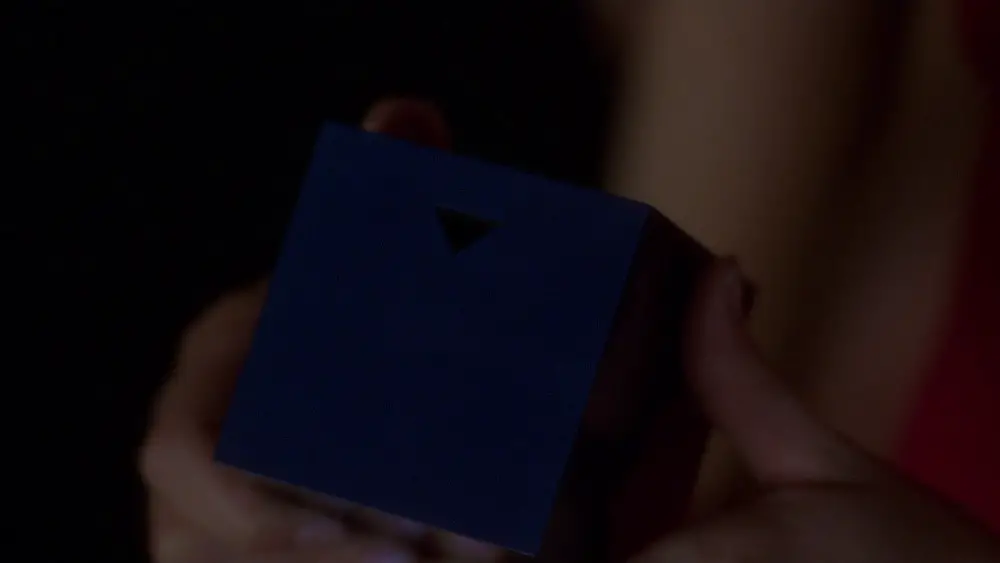
Then there’s the blue box. The fantasy collapses the moment it appears. Betty literally vanishes when it’s time for the repressed memories to surface. The box is a vault containing everything the dream has been hiding: the truth about Diane and Camilla, the humiliation, the jealousy, the guilt.
On a larger scale, the blue box reveals Hollywood’s darker machinery. The dream factory’s true nature.
In Lynch’s films, blue represents secrecy. Notice how Club Silencio gets drenched in blue light before the box appears. Lynch is preparing you for what’s coming.
In reality, there is no blue box. Just a blue key—proof that Camilla is dead. The box is the fantasy. The key is the reality.
The Hitman & The Monster
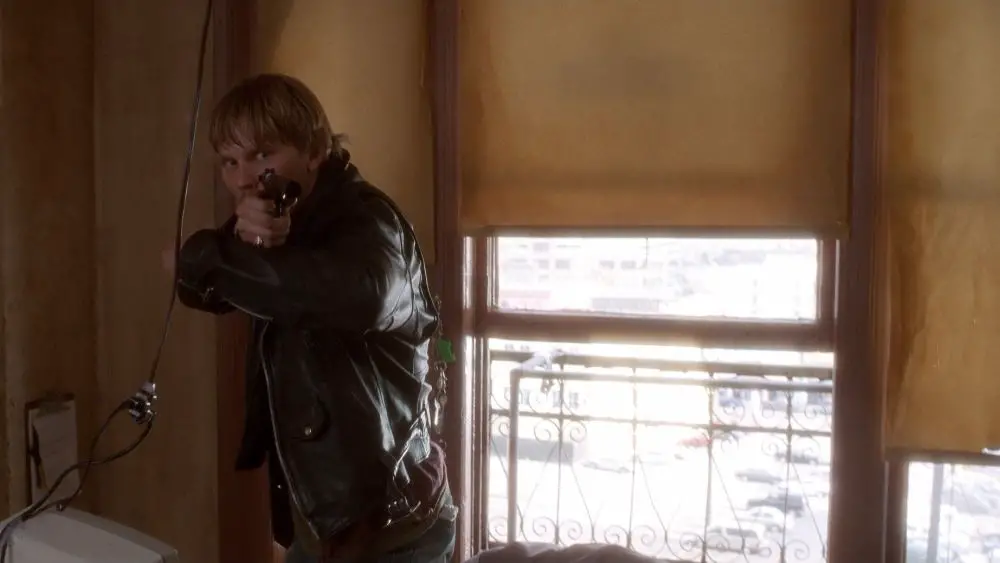
Two other figures reveal Diane’s psychological fracture.
The hitman in Diane’s psyche represents two opposing forces: her fantasy of control and her subconscious guilt.
Diane believes she can make the pain go away—just hire someone, remove Camilla, problem solved. But notice how the hit goes wrong in the dream. It gets messier. Bloodier. Because deep down, she knows murdering Camilla won’t solve anything. Even the bag of cash Rita carries in the dream echoes the money Diane paid the hitman—guilt seeping into every detail of the fantasy.
There’s also a broader Hollywood reading. The hitman represents the system’s banal violence. The quiet, necessary cruelty that keeps the dream factory running. Someone has to remove the people who no longer serve the narrative of success.
Then there’s the man at Winkie’s. He describes his nightmare about something behind the diner.
That same man appears in reality, watching Diane after she hires the hitman. He’s a witness to Diane’s crime. Or he’s Diane’s conscience, externalized. Either way, his nightmare came true: the monster is real, and it’s Diane.
What he feared behind the diner wasn’t supernatural, it was human failure.
And the monster behind Winkie’s? That’s Diane’s deformed self. The version of her polluted by shame and guilt. The fate of those Hollywood discards.
When we see the monster again later, after Diane’s truth is revealed, it’s holding the blue box. But we don’t see a monster anymore. We see a vulnerable, broken person. Someone abandoned by love, by Hollywood, by herself.
One more figure bridges both worlds: Coco, the apartment manager played by Ann Miller. In the dream, she’s warm and motherly, she welcomes Betty to her aunt’s apartment. In reality, she’s Adam Kesher’s mother, who recognizes Diane’s humiliation at the party.
The casting itself is pointed. Ann Miller was a real Golden Age star, now in a minor supporting role, exactly what Diane dreamed of becoming and feared ending up as.
Ending Explained
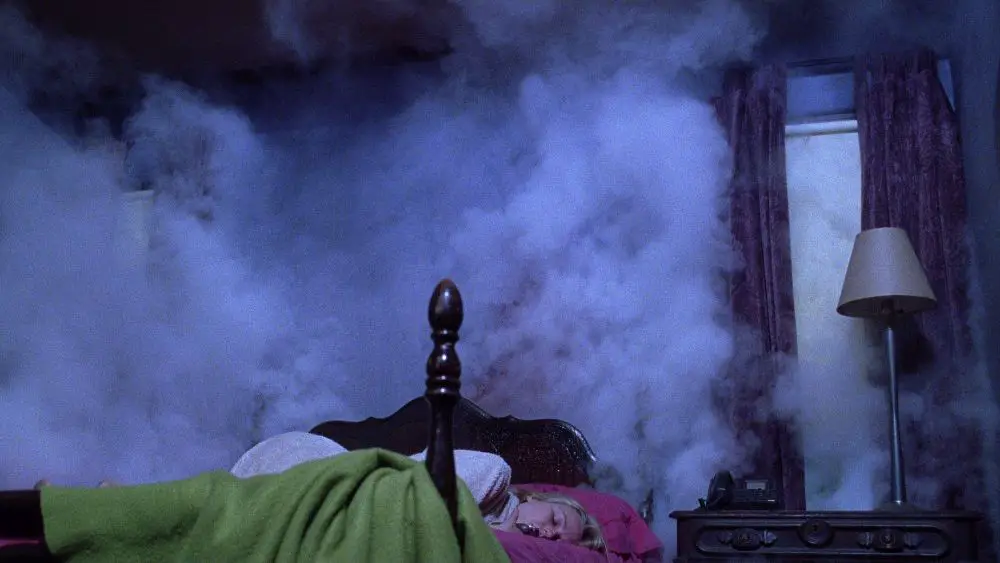
All these figures—the hitman, the monster, Coco—reveal fragments of Diane’s shattered psyche. But the dream can’t hold forever.
The fantasy has collapsed. Reality closes in.
In the final moments, Diane sits on her bed. This is after the murder. After the blue key arrived. The guilt has consumed her.
The smiling, old couple from the jitterbug contest now crawl through her apartment, laughing maniacally. They’ve transformed from symbols of success into reminders of failure.
Unable to escape her guilt, Diane shoots herself in her bed. The fantasy offered temporary escape, but reality always intrudes. Lynch doesn’t show the act gratuitously – we see her reach for the gun, then cut away. The violence is internal, psychological.
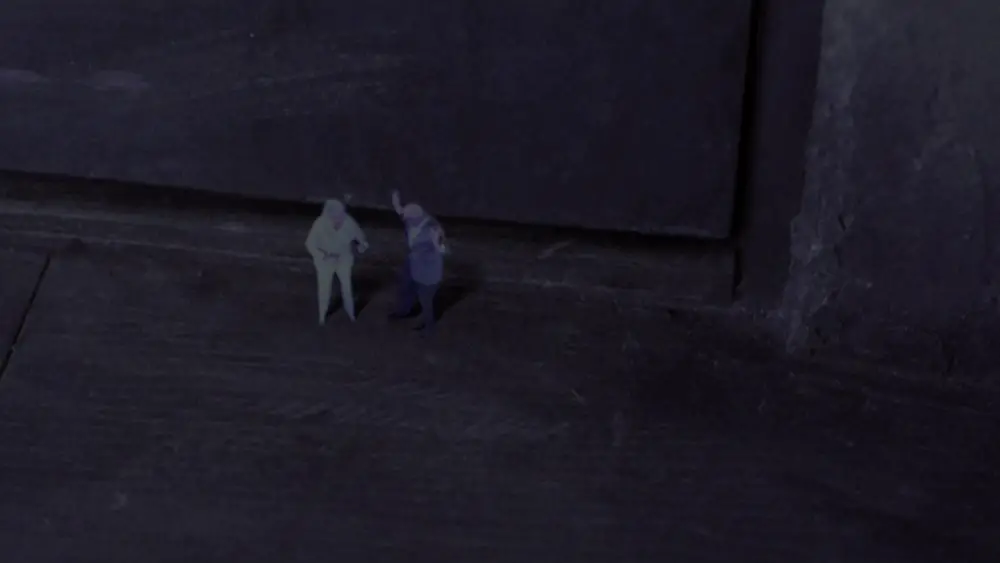
The elderly couple represents the American Dream Diane believed in—that talent and hard work guarantee success. Now that promise mocks her.
The blue box appearing in reality confirms: Camilla is dead. There’s no escaping that truth.
Diane kills herself because she can’t reconcile her dream of Hollywood success, the reality of her failure, and the guilt of murdering the woman she loved.
The dream was her shield. Once it collapsed at Club Silencio, nothing protected her from the pain. And rather than face what she’d become—the monster behind Winkie’s, the discarded failure—she chooses oblivion.
There is no band. There is no Betty. There is only the nightmare—and the truth Diane couldn’t survive.
Influences
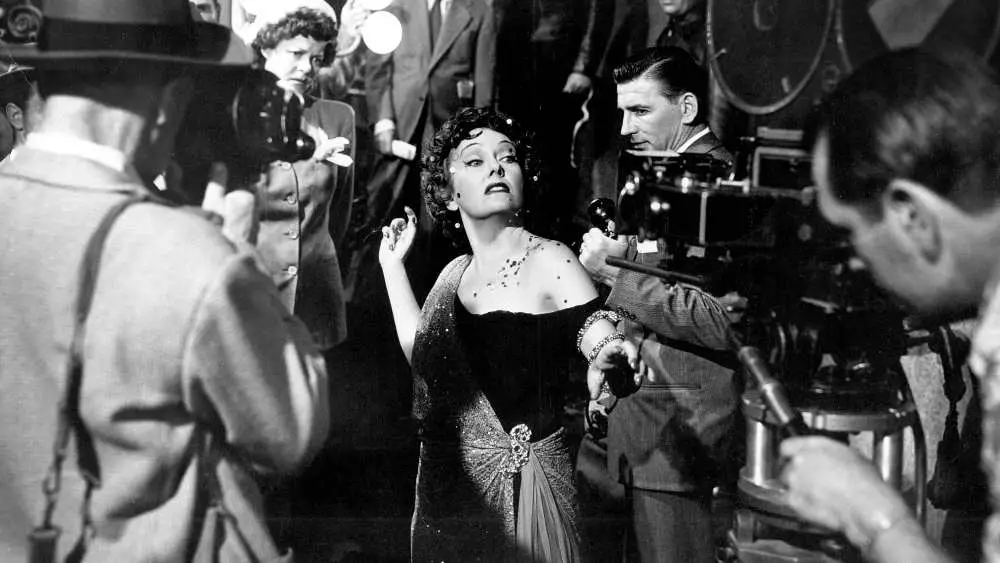
Lynch’s films often draw from Hollywood’s Golden Age. Blue Velvet (1986) borrows the suburban idyll. Wild at Heart (1990) uses the road-movie trope.
But Mulholland Drive is shaped by the emotional and cultural vocabulary of the Golden Age Cinema. The dream of stardom. The glamour aesthetic. That’s pure Golden Age mythology. But Lynch doesn’t imitate it. He weaponizes it.
If there’s one film Mulholland Drive speaks to across time, it’s Billy Wilder’s Sunset Boulevard (1950), its closest spiritual companion in Hollywood tragedy.
Whether Hollywood abandons you, like Norma Desmond, or rejects you, like Diane, the result is the same. Complete identity collapse.
Lynch pays homage to Wilder in several moments. Watch Diane entering the studio gates with that dreamy look on her face. Pure Sunset Boulevard.
The other influence is Ingmar Bergman’s Persona (1966) —a film about divided identity and feminine doubling.
Mulholland Drive has influenced a generation of films. Black Swan (2010). Enemy (2013). Starry Eyes (2014). I’m Thinking of Ending Things (2020). They all owe something to Lynch’s nightmare.
