
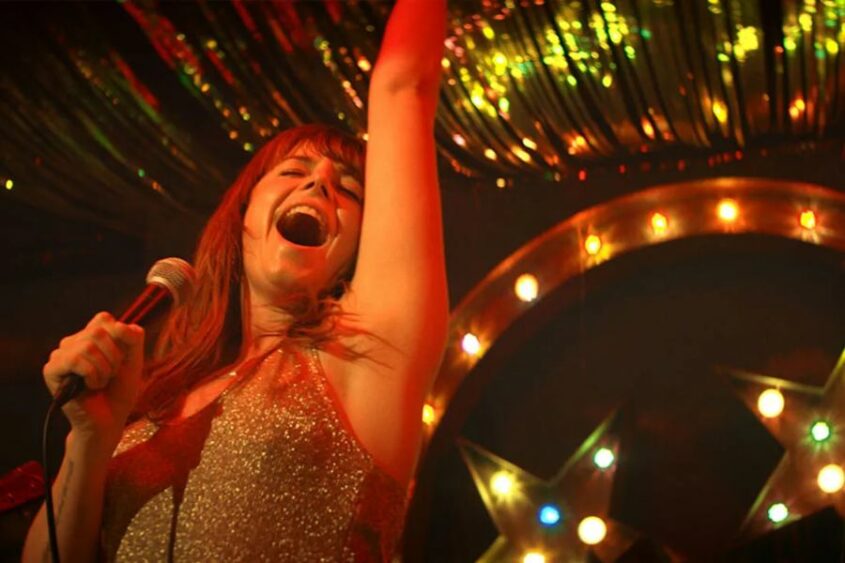
For Wild Rose (2018), Jessie Buckley insisted on performing the film’s songs live on set, capturing emotion in real time rather than polishing it in post-production. For Spielberg’s remake of West Side Story (2021), Mike Faist drew on his theatre background, treating movement and choreography as extensions of character psychology rather than performance spectacle. Neither performance was designed to be noticed as a performance. That, as it turns out, is precisely what makes both of them extraordinary, and precisely why neither received the recognition it deserved.
The reason is structural. Each year, a handful of performances dominate headlines while others disappear with surprising speed. Awards bodies gravitate toward what can be easily signposted as acting. As one critic observed, “Best Actor awards often go to more outsize, flashier performances,” while another states that “The Academy Awards tend to value impersonations, visible transformations above nuance.”
The performances that follow are not obscure. Three of the four films were widely seen and reasonably well reviewed. The problem was never visibility. These performances resist the kind of instant recognition on which awards narratives depend. Subtlety, more often that not, is harder to reward than transformation. You cannot clip it. You cannot play it at the ceremony. You can only sit with it, and let it accumulate.
Christian Bale in Hostiles (2017)
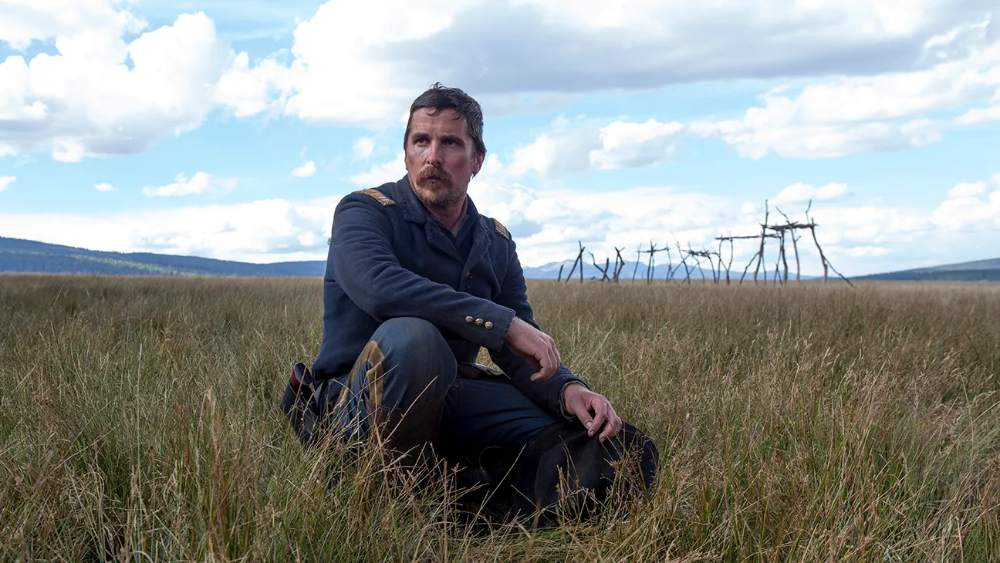
The average filmgoer is far more likely to reach for Bale’s Batman across The Dark Knight trilogy (2005–2012), or his turn as Patrick Bateman in American Psycho (2000). However, in Hostiles, Bale constructs a grand portrait of reserved trauma amidst war.
There is a scene where Captain Joseph Blocker is confronted by a frontier journalist over his conduct during the Sioux Wars. Blocker doesn’t deflect. He justifies himself directly, framing his actions as retaliation within a cycle of violence the journalist only partially understands. What makes the scene remarkable is how little Bale does, and how much it registers. Patriotic conviction sits alongside the fragility of a man worn thin by war. Then, as the journalist scoffs, the composure cracks, just enough to suggest that violence is never far from the surface.
It’s a performance built entirely on devastation beneath the surface, and yet, barely talked about. That same year, Gary Oldman won Best Actor for his portrayal of Winston Churchill in Darkest Hour (2017), another film about a man wrestling with morality and duty during wartime. Oldman’s performance is built on visible markers. Heavy prosthetics. Documented mannerisms. Physical transformation into Churchill. Oldman gives you Churchill. Bale gives you every soldier who was ever asked to do something unforgivable in the name of a country that would later prefer not to remember it. That is not to diminish Oldman’s work, but to highlight a broader pattern.
Subtle performances built on internal conflict rather than external change are harder to define in simple terms. They don’t lend themselves to viral reels or offer a transformative moment to point to and as a result, are often left out of the conversation altogether. Bale’s work in Hostiles operates in that quieter space, relying on restraint over obvious transformation.
Jessie Buckley in Wild Rose (2018)
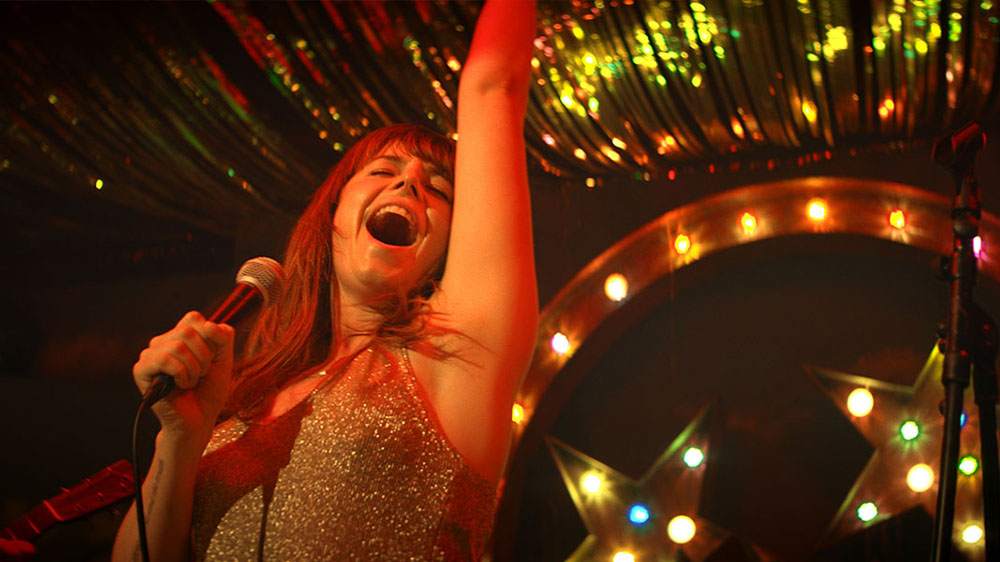
Before her recent sweep for Hamnet, Buckley had already demonstrated what she was capable of. Wild Rose marked her breakout and earned a BAFTA nomination, but it never fully crossed into wider awards recognition, particularly in the US.
In the film, Buckley plays aspiring country singer Rose-Lynn fighting against circumstance and her own self-destructiveness for a shot at Nashville. The role not only required Buckley to perform musically on stage, but her live singing allows audiences to experience, in every detail, the raw emotion of a character as ambitious as she is fragile, rather than having it polished away in post-production.
In the final rendition of “Glasgow (No Place Like Home),” Buckley moves through regret, gratitude, and release within the span of a few seconds. Her final glance toward her mother, played by Julie Walters, carries more emotional weight than the lyrics themselves, before giving way to a burst of joy so unguarded it almost feels intrusive to watch.
With Buckley’s recent awards recognition, I hope new audiences will find their way back to where it all began.
Mike Faist in West Side Story (2021)
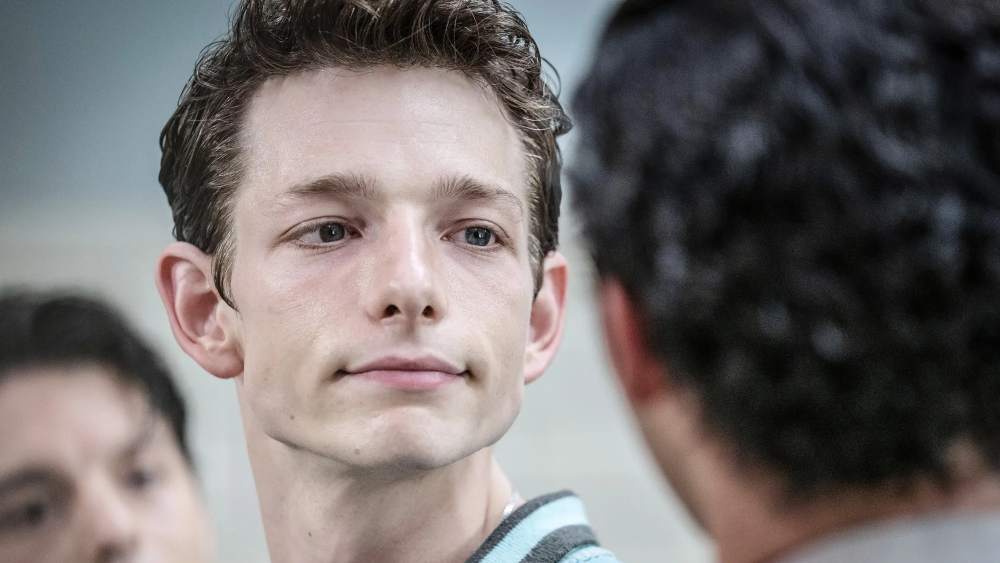
Spielberg‘s remake is a different beast from the 1961 original. The camera is closer, more enclosed, less interested in spectacle than in the psychology behind it. That shift suits Faist entirely. His version of Riff is far more vehement and volatile than Russ Tamblyn’s more charismatic cavalier. His physicality and facial expressions operate more like a calculating killer barely containing an animalistic aggression.
This is particularly evident in the remake’s version of the energetic musical number ‘Cool’. Faist not only applies his musical stage background to the intensely rhythmic choreography, but also delivers an act entirely internal. As he wrestles with his pride toward his gang life and his friendship with Tony (Ansel Elgort), Faist elevates the suspense of the sequence, looking as if one too many annoyances could set him off.
What makes the performance linger is his underlying fragility. Even at his most aggressive, there’s an awareness that Riff is performing strength as much as embodying it for his gang.
This added trait echoes what Erving Goffman describes as the construction of identity through performance, where behaviour is shaped as much by the need to be seen a certain way as by a stable inner self. It’s a layered turn that risks being overshadowed by the film’s scale, but rewards closer attention.
Tim Robinson in Friendship (2025)
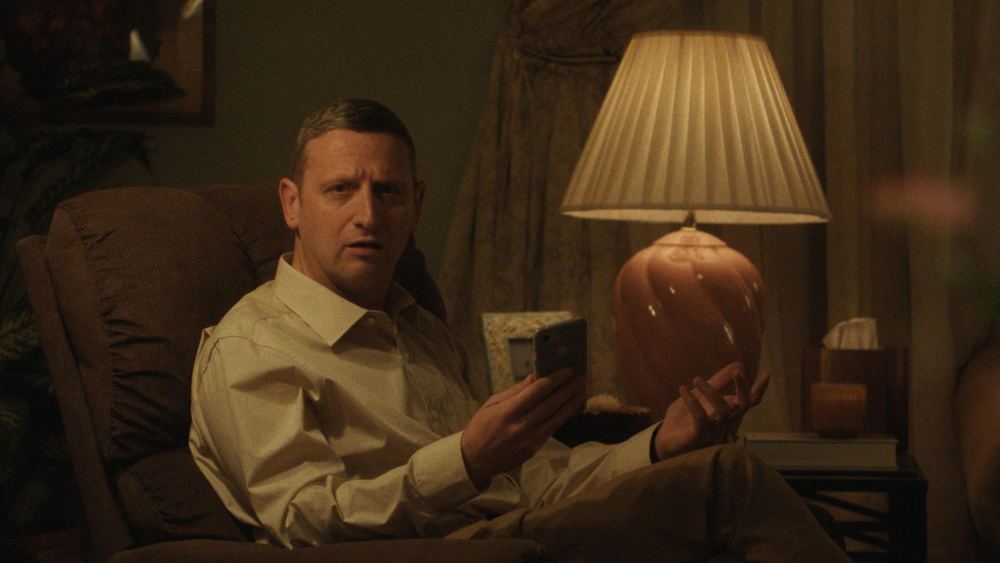
Comedy has long struggled to receive the same level of recognition as drama, particularly when it leans into discomfort. Performances built on awkwardness and social failure rarely translate into award conversations, even when they reveal more complexity beneath the surface.
Tim Robinson’s work in Friendship is particularly striking. Often, a comic actor sheds their skin to enter award discussion, like Steve Carell’s nomination for his dramatic turn in Foxcatcher (2014) or Robin Williams’ sole win for Good Will Hunting (2014). Robinson, however, applies his craft to Friendship, a surreal exploration of male bonding, and pushes it further to create a highly effective tonal tightrope between comedy and suspense.
Amid goofy antics, such as misreading cues or forced attempts at camaraderie, Robinson treats Craig like a wounded animal abandoned by society and wanting a connection. It’s a great gift to make viewers feel disgust and sympathy, all at once, for a character, and the abstract stand-up comedian manages it with ease.
When Robinson erupts into one of Craig’s nonsensical outbursts, it doesn’t feel like a tonal gear-change. It feels like a man at his breaking point, expressing it in the only register available to him. There’s a sense that Craig is aware, on some level, of his own limitations, even if he can’t articulate them. That tension between performance and self-awareness gives the character an emotional heft, and the result is both deeply uncomfortable and oddly sympathetic.
Wrapping Up
Robinson makes you wince and ache in the same breath. Most performers can do one or the other. Bale makes you feel the weight of a man who has run out of reasons to feel anything. Buckley makes you forget you are watching a performance. Faist makes aggression feel like grief. Most actors never find that distinction.
What connects these four performances is not what they do, but what they refuse to do. Each of them asks for patience and attention, and rewards both in ways that tend to outlast the films that won the trophies.