
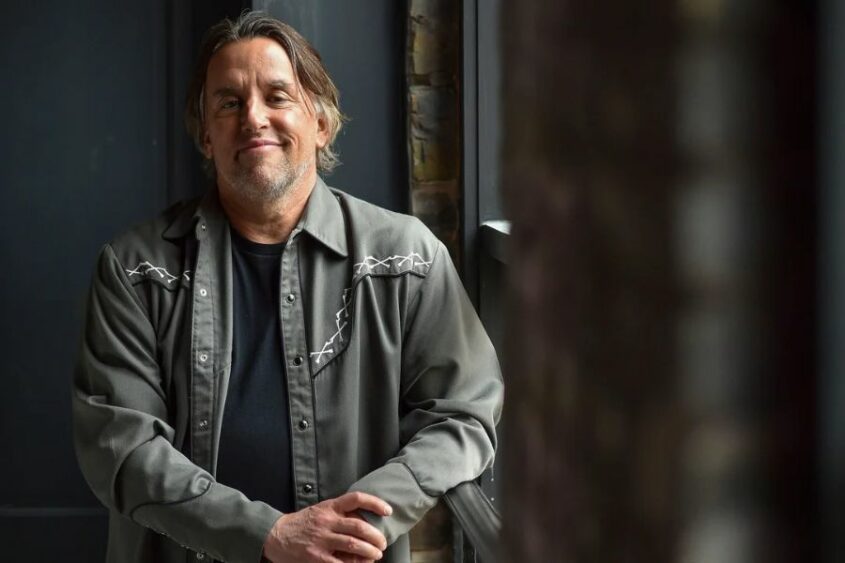
In Dazed and Confused, a character famously muses, “The older you get, the more rules they’re gonna try to get you to follow.” Richard Linklater has spent nearly forty years ignoring that advice.
As one of the chief architects of the 1990s American indie scene, he’s built a career on the jagged, authentic rhythm of natural speech and a stubborn refusal to follow traditional narrative structures. What sets his work apart is a patient, observational lens that treats time as a visceral force instead of a passive backdrop. Linklater doesn’t rush. He lingers on the in-between: aimless drives through Texas suburbs, late-night arguments in cramped bedrooms, unhurried walks through European cities. Identity, in his films, isn’t spoken; it’s discovered through conversation and duration.
We rank his fifteen best films, offering a guide for newcomers and a roadmap for those already familiar with one of the most prolific and daring bodies of work in modern American cinema.
Who Is Richard Linklater: Understanding the Director’s Vision
Born in Houston in 1960, Linklater never went to film school. He’s self-taught—a cinephile who worked on offshore oil rigs to fund his early obsessions, using the isolation to read and watch everything he could. That DIY ethos led him to found the Austin Film Society, effectively putting Texas on the global cinematic map. His trajectory—from the minimalist Super 8 wanderings of It’s Impossible to Learn to Plow by Reading Books to decade-spanning epics like Boyhood—has no real parallel in contemporary American cinema.
Where Plow captured the quiet loneliness of a traveler staring out a train window, his breakout Slacker turned aimless digression into a cultural landmark. The camera drifts from one eccentric Austin conspiracy theorist to the next, never settling on a protagonist, never looking back. It was a radical gesture disguised as a shaggy hangout film.
Across Linklater’s work, you see a filmmaker equally fascinated by the vibrant drift of youth and the sobering, often humorous reckonings of middle age. His camera is famously unobtrusive, favoring unhurried long takes that let scenes breathe—think of Jesse and Céline in that cramped Vienna listening booth, where the tension lives as much in the silence as the music. This philosophy reaches its apex in Boyhood, where we watch a child’s face physically change over twelve years in what feels like a miracle of commitment.
Even in his “hangout” films, Linklater prioritizes internal philosophy over plot mechanics. Whether it’s a professor moonlighting as a hitman or college ballplayers killing time in a messy dorm room, his movies occupy a singular space. They’re deceptively easy to watch, structurally radical, trusting that ordinary lives—pauses and all—are enough to sustain our attention.
15 Best Linklater Films, Ranked
15. Everybody Wants Some!! (2016)
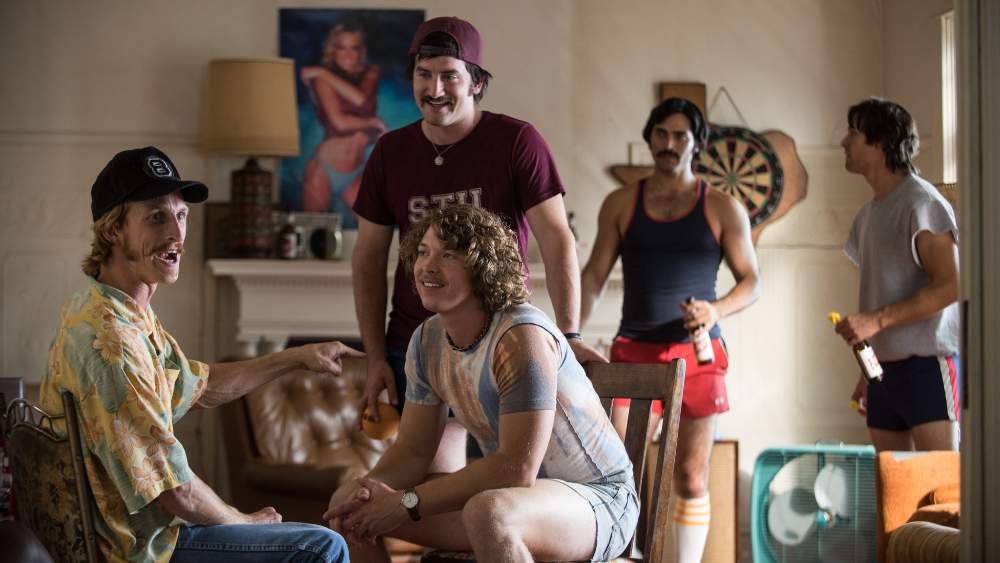
With Everybody Wants Some!!, Linklater drifts back to campus life decades after Dazed and Confused. The narrative follows a college baseball team as it navigates the weekend before classes begin in 1980. Like Linklater’s previous campus and coming-of-age films, this one captures the masculine camaraderie and competitive spirit of young adulthood. The film’s brilliance lies in the effortless ensemble chemistry—including Wyatt Russell and Glen Powell—and the director’s nostalgic but clear-eyed lens.
Beyond identity, Everybody Wants Some!! explores collective belonging through casual interactions, and emphasizes the joy of the present. The film renewed critical interest in the period hangout film and reaffirmed Linklater’s mastery of American subcultures. Everybody Wants Some!! is strictly for those who prefer hangout comedies that favor atmosphere over plot.
14. Last Flag Flying (2017)
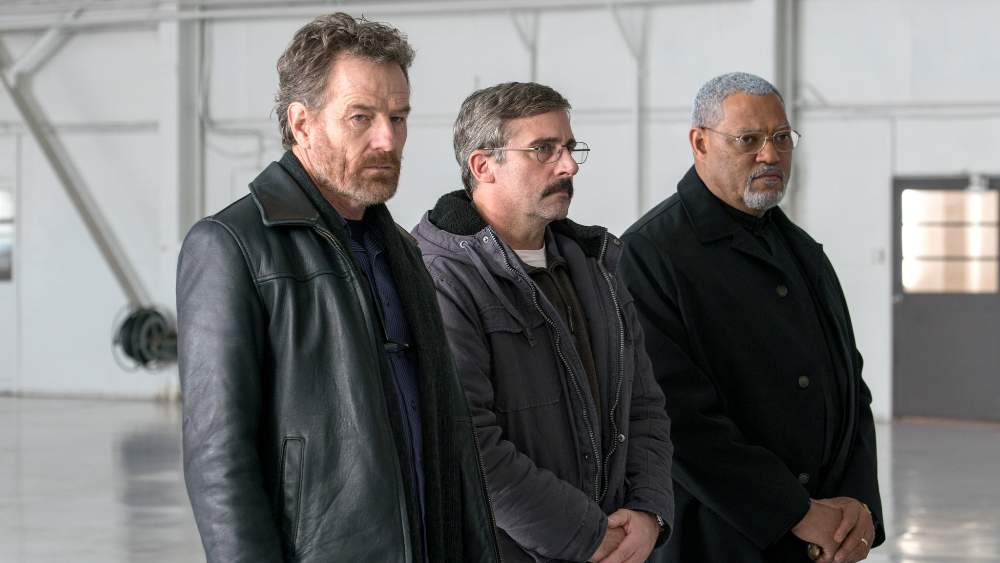
While Everybody Wants Some!! was a spiritual sequel to Linklater’s own work, Last Flag Flying is a legacy sequel to Hal Ashby’s 1973 drama The Last Detail. The narrative follows three Vietnam veterans who reunite to bury one of their sons, a Marine killed in Iraq. During the journey, unresolved histories and political disillusionment surface. Led by Steve Carell, Bryan Cranston, and Laurence Fishburne, Linklater maintains a somber tone, focusing on the quiet bond between aging men.
Last Flag Flying deals with grief, moral reckoning, and patriotism. Linklater brings his grounded, humanistic approach to veteran stories, exploring the long-term effects of military service on the inner self. Though dark humor appears throughout, this is first and foremost a melancholic character study.
13. Hit Man (2023)
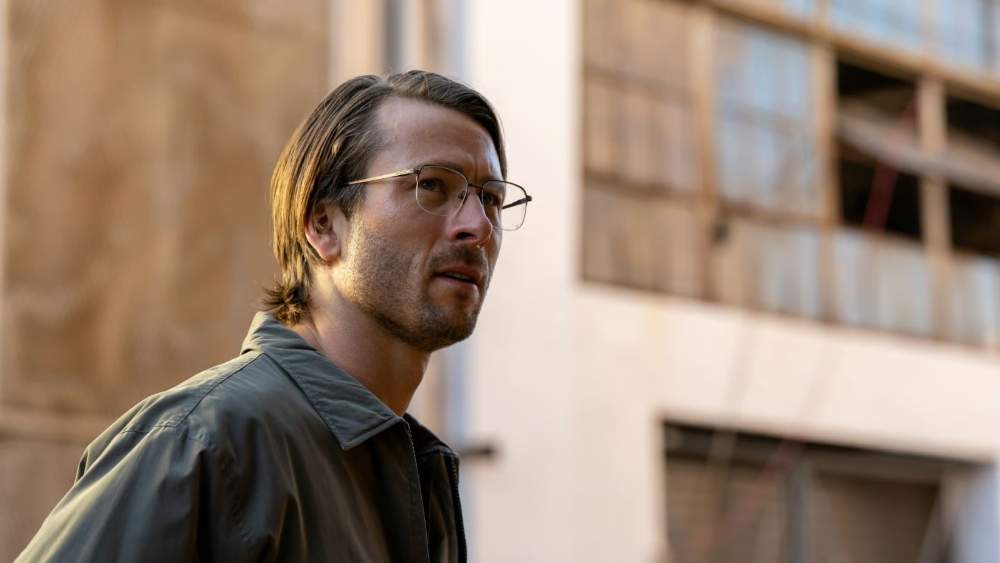
In this dark thriller and mischievous romance, Glen Powell plays Gary Johnson, a mild-mannered professor who moonlights as a fake hitman for the New Orleans Police Department. When he falls for a woman who tries to hire him, things take a sharp turn. Hit Man works as philosophical noir, notable for its sharp wit and the burning chemistry between Powell and Adria Arjona.
Themes of self-invention, ethics, identity, and intimacy emerge through the characters’ twisted roleplay. Linklater proves that a smart, adult-oriented thriller can blend intellectual depth with genre thrills. Few romantic comedies could reassert genre space for moral inquiry like Hit Man. The film might intrigue audiences who loved ’90s romance thrillers like Dead Again and Out of Sight.
12. Tape (2001)
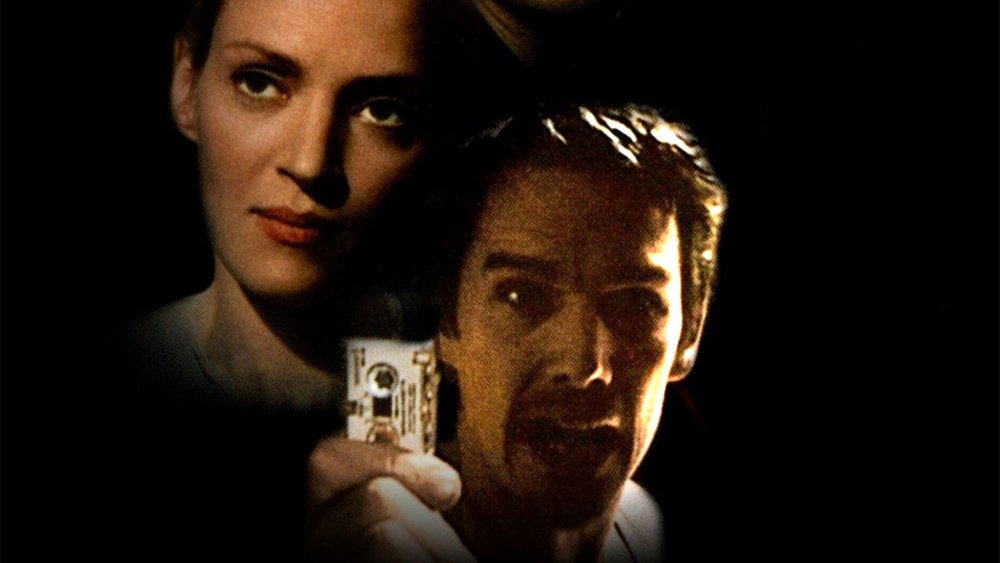
Though Linklater is no stranger to experimentation, Tape marks his first foray into digital video. He shot this claustrophobic tale with a consumer-grade camera, embracing the bold, unpolished aesthetic of Dogme 95 films. Set entirely in a motel room, the film centers on three former high school friends—played by Robert Sean Leonard, Ethan Hawke, and Uma Thurman—who reunite to confront a painful secret from their past.
While Waking Life is the more enduring and experimental of the two films Linklater released that year, Tape showcases his ability to generate immense tension through performance and restricted space. The minimalist chamber setting tackles memory, truth, and masculine insecurity head-on. Tape isn’t just for indie enthusiasts—it rewards anyone drawn to psychological dramas.
11. Apollo 10½: A Space Age Childhood (2022)
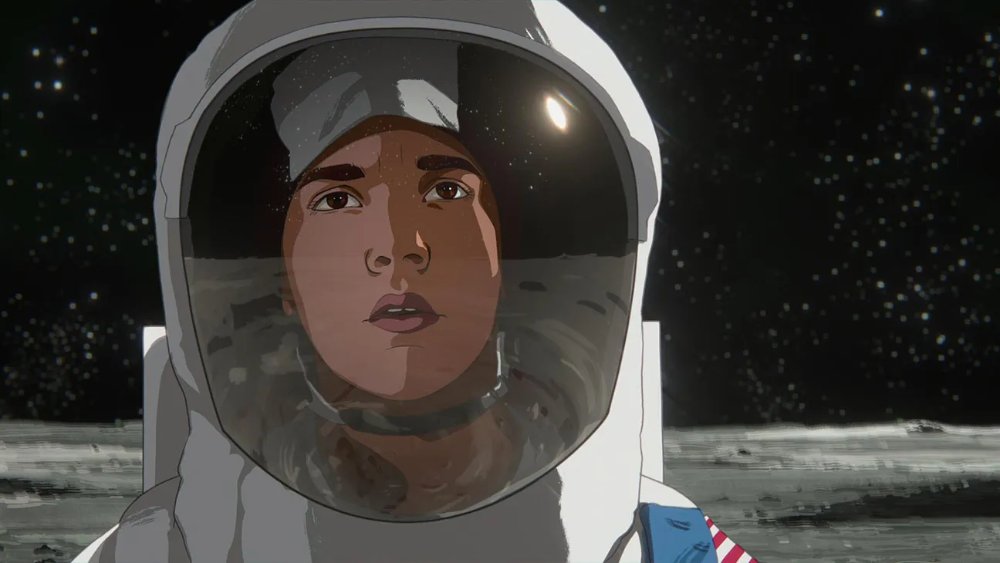
This nostalgic blend of memory and fantasy marks Linklater’s return to rotoscopic animation after A Scanner Darkly. The film revisits the moon landing through a child’s imagined participation. The boy, Stan, lives near NASA and fantasizes about a secret mission where he travels from the suburbs to the moon. As in his previous animated films, Linklater uses rotoscoping to evoke the hazy, vibrant quality of memory.
Apollo 10½ is also Linklater’s most personal film. The real world surrounding the fantasy comes from the director’s memory of growing up in Houston near the space center. The film explores his recurring themes—nostalgia and suburban innocence. Overall, Apollo 10½ offers an American brand of optimism on an intimate scale.
10. Bernie (2011)
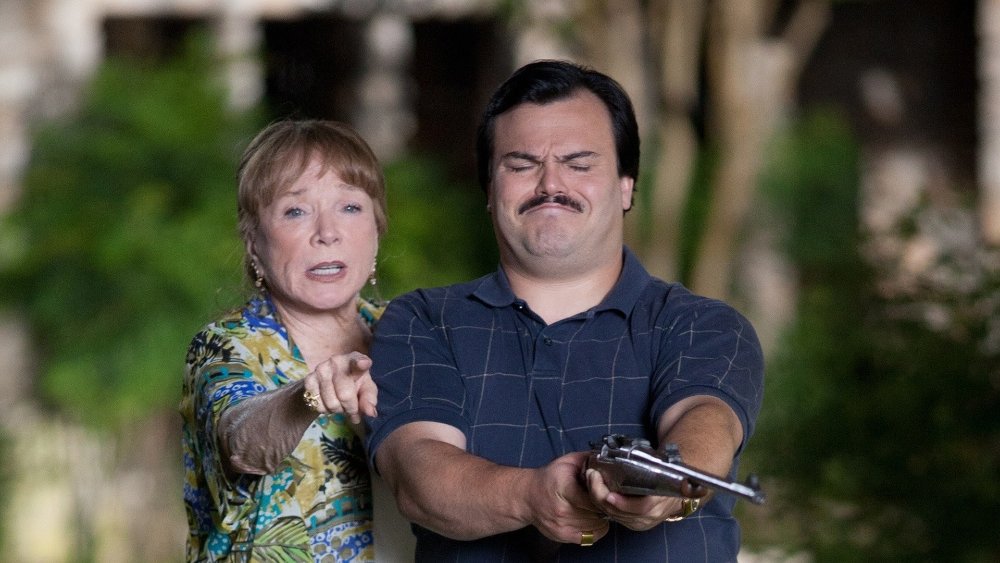
While Linklater had dabbled with animation and digital minimalism, Bernie marks his experimentation with a documentary-narrative hybrid. Based on a real murder case, the film blends true crime with dark humor. The narrative chronicles a beloved local mortician who murdered a wealthy, possessive widow. Despite the crime, he manages to rally the small Texas town behind him.
Linklater casts Jack Black, Matthew McConaughey, and Shirley MacLaine in the central roles, but also enlists actual citizens for documentary-style interviews. By resisting sensationalism, Bernie explores moral complexity, community bias, and the subjectivity of justice. The film is now considered a pioneer of the hybrid true crime format that exploded in the late 2010s.
9. A Scanner Darkly (2006)
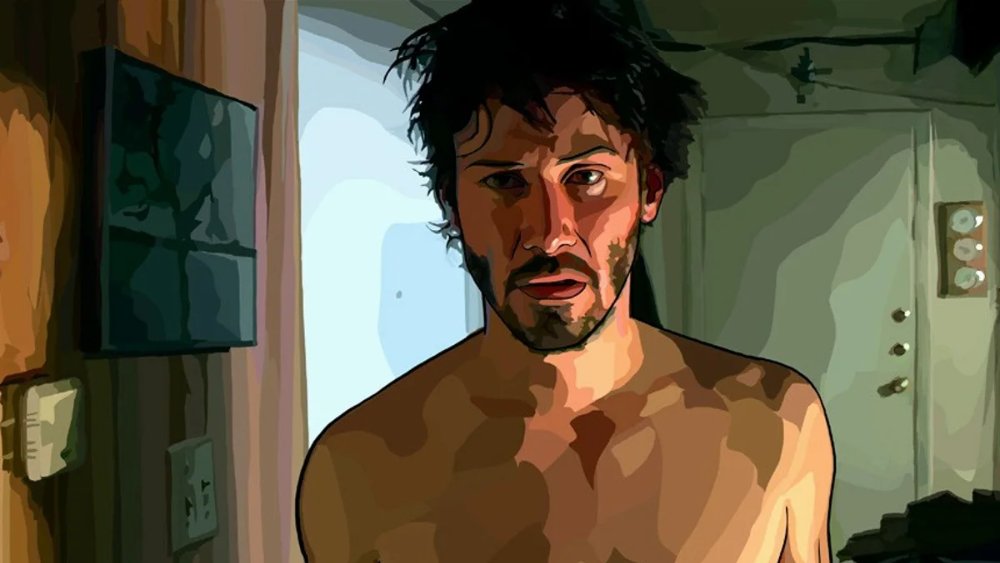
The success of Linklater’s first rotoscoping venture, Waking Life, led him to tackle a complex literary adaptation with a higher budget and a sharper aesthetic. The result was a polarizing but fascinating psychological thriller that remains a more faithful adaptation of Philip K. Dick’s work than Minority Report or Blade Runner. Set in a near-future surveillance state, the film follows an undercover cop (played by Keanu Reeves) who loses his grip on identity through substance addiction.
The rotoscoped visuals mark a key moment in Linklater’s interest in perception and fractured consciousness. While often known for minimalism, Linklater pursues a maximalist and extremely stylized approach here. The film—made in the same year as the underwhelming Fast Food Nation—explores paranoia, control, and self-erasure, influencing later animated hybrids and serious adult animation while offering a hauntingly relevant critique of authority.
8. Blue Moon (2025)
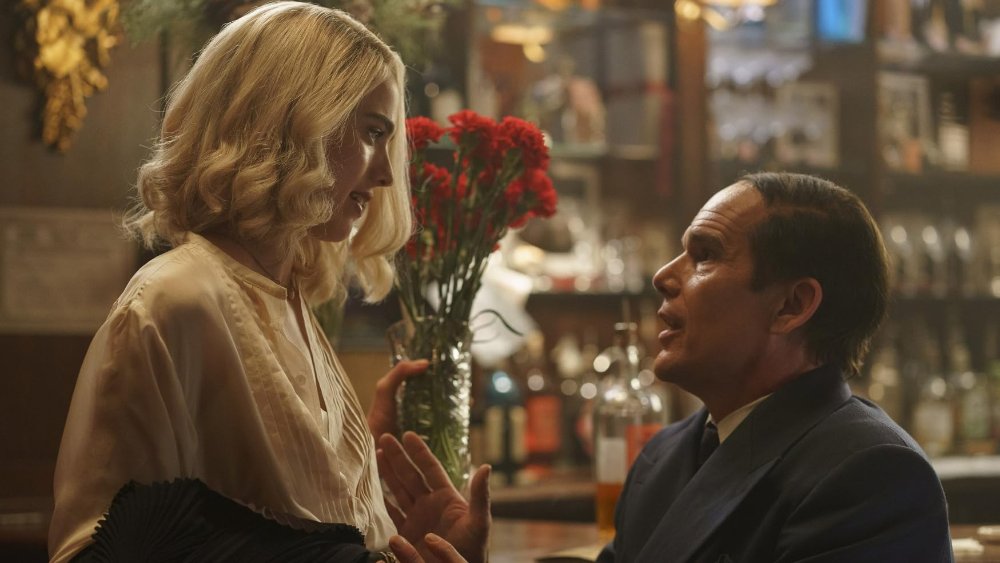
The Newton Boys was Linklater’s first foray into the biopic genre but Blue Moon is a more mature, intimate evolution of his interest in real-life figures. Set on the opening night of the musical Oklahoma! in 1943, the film follows legendary lyricist Lorenz Hart as his professional and personal life crumbles. This drama about aging musicians reunites Linklater with Ethan Hawke, offering a tragic portrait of a fading artist.
Blue Moon showcases a compressed, theatrical narrative that explores the end of an era in Broadway history. The film explores jealousy, obsession, memory, and the cruelty of time. Though Linklater focuses on the human cost of creative genius in the golden age, it resonates with contemporary debates around aging in creative industries. The film will likely be of interest to mature drama fans who enjoy films that zero in on creative friction, such as Amadeus and Tár.
7. Nouvelle Vague (2025)
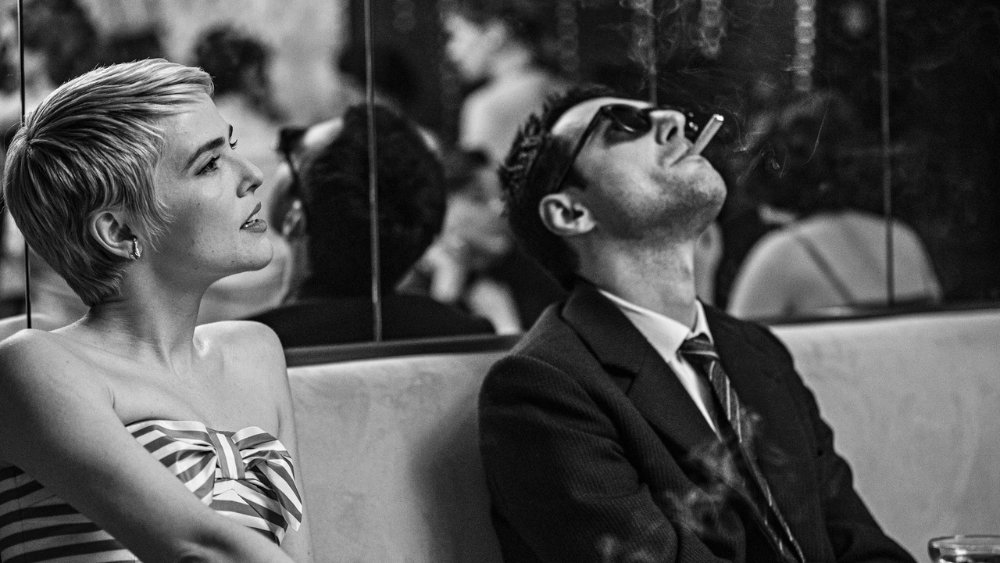
By taking his camera into the streets of Austin, the young Linklater was practicing exactly what the French theorists preached: capturing the ‘truth’ of the moment over the artifice of a plot. And the spiritual roots of Slacker and the Before trilogy can be traced directly back to the French New Wave. Thus, it feels appropriate for this self-taught cinephile to pay direct homage to the movement that inspired him. Of course, Linklater earlier paid homage to Orson Welles in a 2008 movie (starring Christian McKay and Zac Efron).
His Nouvelle Vague is a chaotic chronicle of the revolutionary production of Jean-Luc Godard’s Breathless in 1959 Paris (Zoey Deutch played the American actress Jean Seberg). Shot in black-and-white, it serves as a love letter to the era and the spirit of cinematic disruption. Consistent with his most celebrated works, Nouvelle Vague focuses on cultural rebellion and the struggle for artistic creation. The film invites a renewed appreciation for film history, reminding modern audiences of the power inherent in breaking established rules.
6. Slacker (1990)
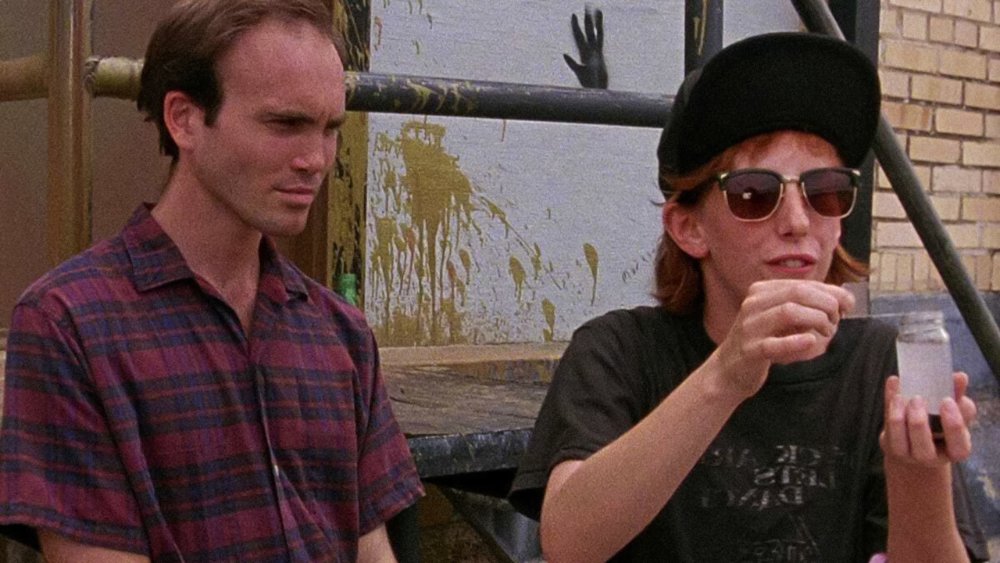
This stoner comedy-drama put Linklater on the map and became a landmark in the American independent cinema movement of the 1990s. Slacker follows a series of eccentric characters through Austin, Texas, in loosely structured vignettes. It rejects traditional protagonists and plot momentum, turning the atmosphere of bohemian subculture into its primary focus. Its significance lies in legitimizing the no-plot movie, influencing a generation of DIY filmmakers.
The film’s themes of existential boredom and social alienation defined the Gen X aesthetic of the early ’90s, cementing Austin as a creative hub and popularizing the very concept of a “slacker” in modern American lexicon. Made on a budget of $23,000, Slacker was Linklater’s second feature, and in 2012, it was selected for preservation in the National Film Registry by the Library of Congress.
5. Waking Life (2001)
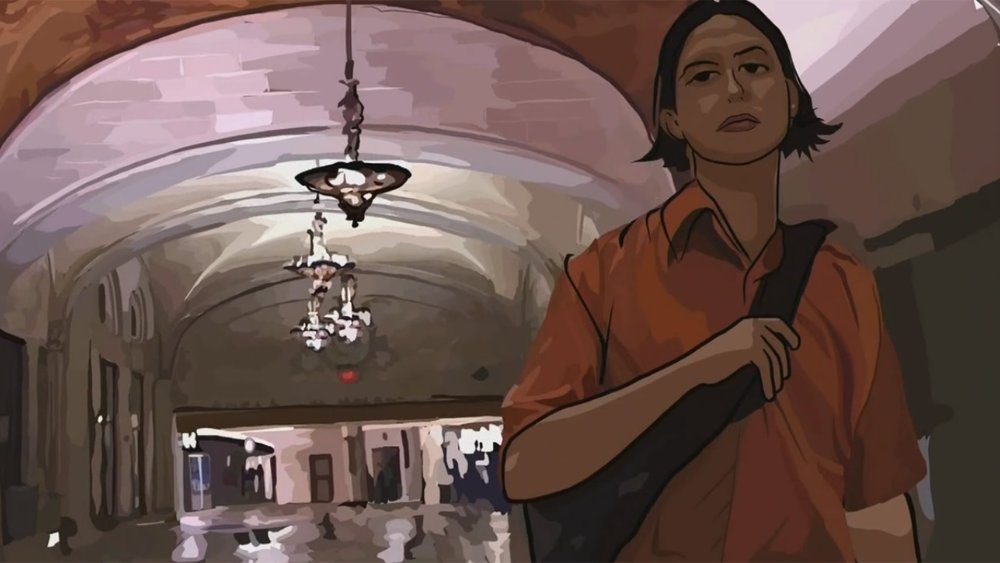
While Linklater’s masterworks of the ’90s engaged primarily with narrative experimentation, Waking Life pivoted toward radical aesthetic experimentation. The film follows a nameless protagonist traveling through an unstable dreamscape, engaging in dense philosophical discussions about reality, free will, and the evolution of consciousness. Though it serves as a spiritual successor to his earlier talky films, he successfully elevates the discourse to profound metaphysical heights.
Visually and tonally, the experience resembles the logic of lucid dreaming. The core themes include the nature of existence, individual agency, and the untapped power of the human mind. The film familiarized intellectual wandering as a unique cinematic experience rather than mere indulgence. Waking Life is now credited with influencing the wave of indie animated-live-action hybrids like Loving Vincent and The Congress.
4. School of Rock (2003)
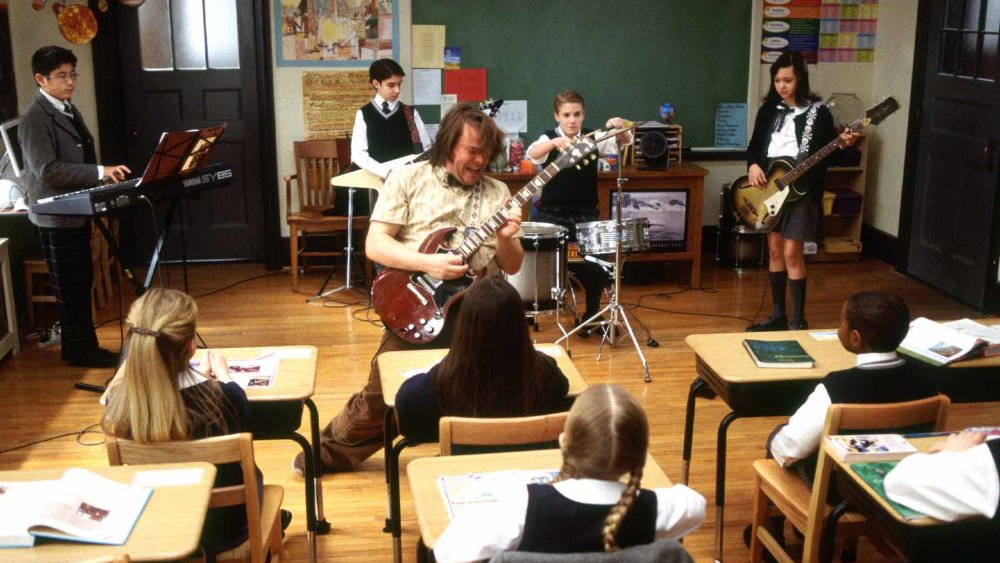
School of Rock has the most mainstream appeal among Linklater’s works and remains the most commercially successful film in his oeuvre. Though it retains the hangout energy and anti-authoritarian stance of his earlier films, the plot is crafted as a music-themed comedy for younger audiences. Notably, it’s a rare instance where Linklater directed a script written by someone else—Mike White—tailoring the story to Jack Black’s specific comedic energy. Backed by producer Scott Rudin, the narrative follows a struggling musician posing as a substitute teacher who turns a classroom of children into a rock band.
Linklater’s choice to cast children who could actually play their instruments ensures the musical performances feel authentic and lived-in. His love for outsiders is filtered through themes of self-expression and community learning. School of Rock remains a cultural staple, spawning a stage musical and a television series while redefining the modern music-comedy for a new generation. The success pushed Linklater to remake the sports classic The Bad News Bears, which proved underwhelming.
3. Dazed and Confused (1993)
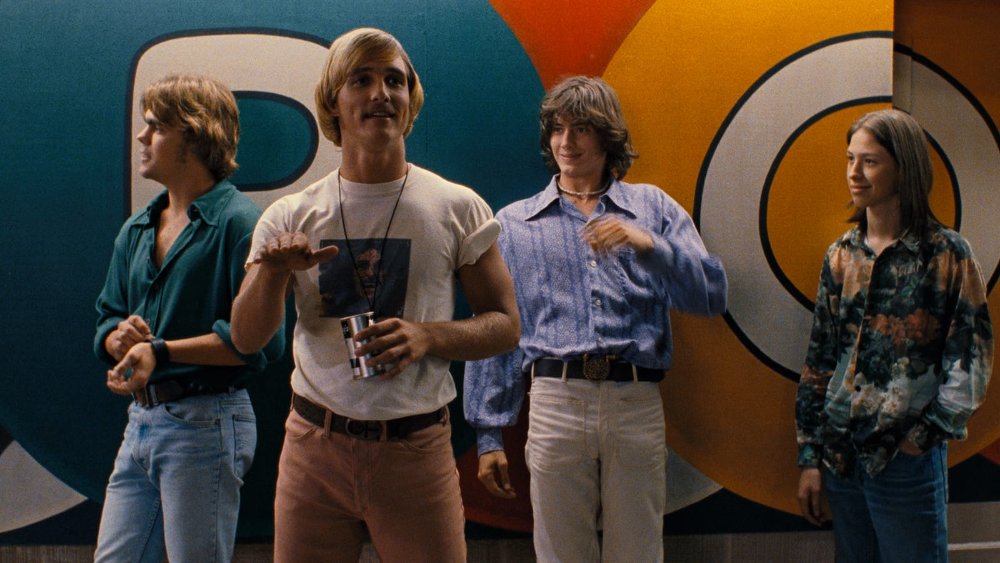
Drawing heavily from his own adolescence in 1970s Texas, Dazed and Confused is a semi-autobiographical chronicle of the final day of high school. The film tracks various teenagers as they navigate parties and hazing rituals, standing as Linklater’s most iconic work and launching the careers of several major stars, including Matthew McConaughey as the charismatic David Wooderson.
Dazed and Confused is celebrated for its hyper-accurate period detail and non-judgmental look at youth culture. Subtly capturing themes of rebellion, belonging, and generational inheritance, it remains the quintessential hangout movie. The film is now regarded as the middle entry in Linklater’s Texas Spiritual Trilogy, alongside Apollo 10½: A Space Age Childhood (set in 1969) and Everybody Wants Some!! (set in 1980). Together, these three films offer a composite memoir of his transition from childhood to adulthood in the Lone Star State.
2. Boyhood (2014)
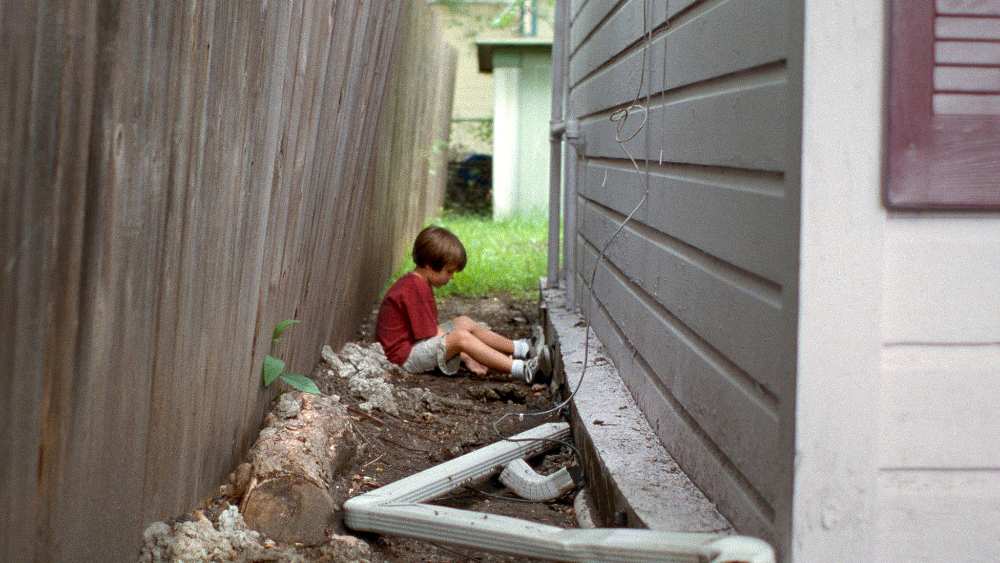
This landmark film follows the life of a boy, played by Ellar Coltrane, from age six to eighteen, filmed with the same cast over twelve years. It stands as Linklater’s most ambitious temporal experiment, capturing the mundane beauty of growing up without a traditional narrative arc. The significance lies in its unprecedented production schedule and profound emotional resonance. Linklater conducted annual workshops with the principal actors—Coltrane, Patricia Arquette, and Ethan Hawke—to discuss their characters’ directions.
Because no long-term legal contracts could bind the same actors, the project relied entirely on mutual artistic commitment. Many of Coltrane’s real-life experiences were woven into the narrative, making Mason’s growth feel incredibly authentic. Identity remains the central theme alongside parenting and the ephemerality of life. Boyhood ultimately left an indelible mark on cinema, redefining the possibilities of long-form storytelling.
1. Before Trilogy (1995–2013)
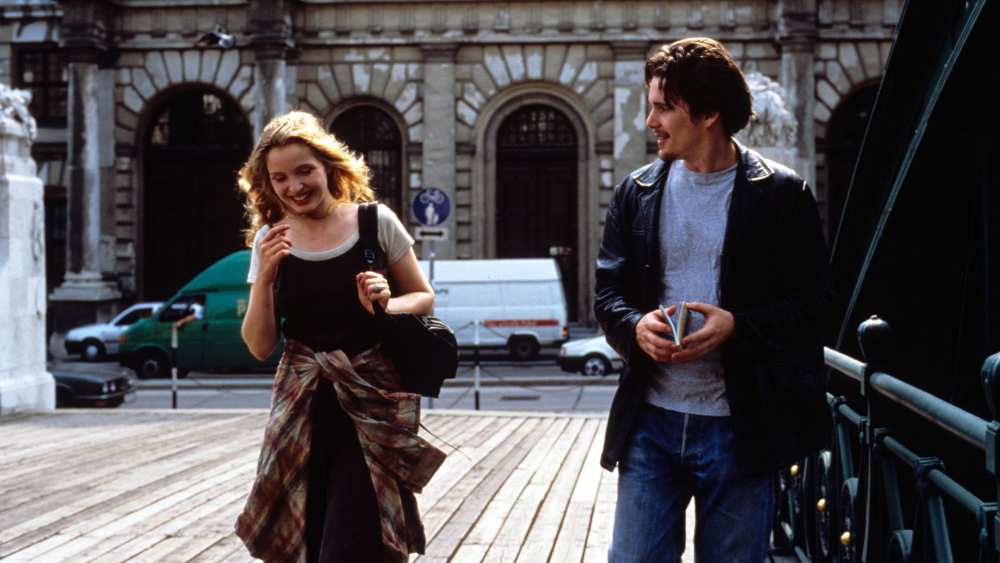
Spanning nearly two decades, the trilogy follows Jesse (Hawke) and Céline (Julie Delpy) across three encounters shaped by time, memory, and emotional residue. The trilogy’s enduring relevance lies in treating romantic connection as an evolving conversation rather than a traditional narrative arc. Linklater utilizes real-time aging and significant temporal gaps to explore intimacy as an ongoing, fluid process instead of a fixed resolution. While the first two films offered a slightly romanticized look at the possibilities of love, the third installment, Before Midnight, provided a stark, grounding reality of long-term relationships.
The passing of time—both the beauty and the tyranny of it—remains the vital thread connecting these films. Memory, regret, and identity, the signature themes of Linklater’s oeuvre, are approached with profound depth here. This trilogy influenced countless indie romance films, proving that dialogue-driven cinema could sustain long-term emotional investment without reliance on spectacle or plot.
What Makes a Great Linklater Film?
A great Linklater film operates less like conventional narrative and more like eavesdropping—attuned to the mechanics of how we actually communicate. The half-formed thoughts, the pauses, the way a conversation veers from a joke to existential epiphany—these are at the core of a rewarding Linklater movie. In Before Sunrise, Jesse and Céline spend entire stretches talking about nothing urgent: exes, childhood memories, stray ideas picked up from books. Through these tangents, we see our own anxieties about freedom, relationships, or adulthood mirrored back at us.
You could say a great Linklater film guides you to sit with a character until the artifice of narrative is stripped away. What’s left is an emotional and thought-provoking journey with his characters, whose incremental shifts in perception mirror the way we see people and live our lives in the world. Linklater’s approach to dialogue and treatment of time as a pivotal theme works because he grounds everything in the mundane. Whether it’s the car scene in Before Sunset or Mason’s hike in Boyhood, Linklater makes us feel we aren’t watching a cinematic event but a simple yet poignant moment in someone’s life.
Moreover, the mundanity makes big questions feel like casual conversation between friends rather than a lecture—think of the Before Trilogy and Waking Life. Even as Linklater’s style has smoothed out over time, moving from the raw, grainy vignettes of Slacker to the more polished, sharp-witted turns in School of Rock and Hit Man, he still shies away from shaping moral lessons or revelations out of these narratives. With his latest works, Nouvelle Vague and Blue Moon, Linklater doesn’t rush his characters toward decisive moments. In his career, the visual form is always relaxed, allowing uncertainties to linger.
The Before Trilogy: Linklater’s Masterpiece
Why These Three Films Work as a Whole
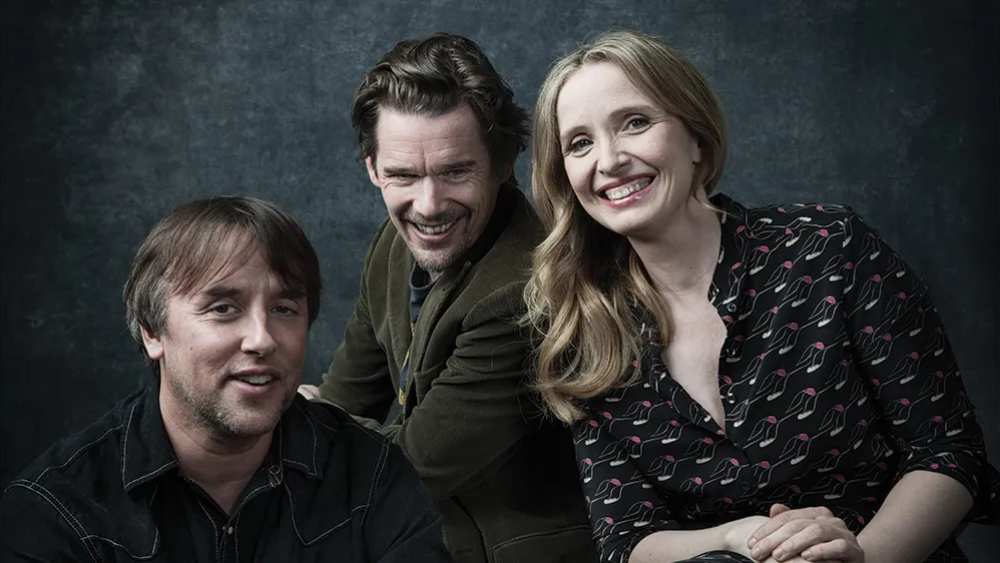
The trilogy earned its revered status through a structural gamble that few narrative films have been willing, or able, to sustain. When Before Sunrise wrapped in 1995, there was no contract for a sequel. The nine-year gaps between films occurred organically, allowing Ethan Hawke and Julie Delpy to co-write the scripts based on their own aging and shifting worldviews. This structure turned the series into a high-stakes experiment in longitudinal storytelling.
In the first film, Céline and Jesse’s mutual attraction in Vienna is driven by performance and projection. They tell stories, exaggerate opinions, and flirt with identities they haven’t tested yet. Later, when their paths cross again in Paris, youthful optimism gives way to conversations about missed opportunities. In Before Midnight, there are no trains or planes to catch. Céline and Jesse are together. But love is no longer the organizing force. There are the logistics of maintaining a relationship alongside questions of imbalance and accumulated resentment.
By the time we reach the long hotel scene in Greece, abstract philosophical musings from Vienna in 1995 have been replaced with the crushing existential reality of being together. We were with them as they navigated their transitions from young lovers to parents and aging adults. Our own shared history with these characters makes the evolution of Jesse and Céline’s relationship hit that much harder.
Which ‘Before’ Film is Best?
Each film in the trilogy also acts as a time capsule for its era’s anxieties. Before Sunrise belongs to a pre-smartphone Europe where missed connections feel permanent and disappearing was easy. Sunset carries post-9/11 cynicism and political disillusionment. Céline and Jesse’s banter is full of the frantic, compressed energy of people in their thirties realizing their time is finite. Midnight reflects the modern, cynical fatigue of the 2010s. There’s also the reality of economic pressure, where frustration and exhaustion seep into every casual exchange.
Of course, watching them in order is essential because Linklater relies on the audience’s memory as much as the characters’. The payoff of a line in Greece often depends on a joke told in a Viennese tram twenty years prior. You have to experience the real-time exhaustion of their journey to understand why a simple gesture at the end of the third film feels like a monumental victory.
Choosing a “best” Before film is impossible because your favorite usually depends on where you are in your own life. If you’re in college, Sunrise and its “one perfect night” idealism feels like the peak. Once you hit your thirties and start feeling the weight of missed chances and career burnout, the frantic, ticking-clock energy of Sunset hits hardest. By the time you’re navigating the actual labor of a long-term marriage, Midnight becomes the most profound—and probably the most painful—to watch. I think time will dictate which Before film you consider best.
Where to Start with Richard Linklater Movies?
For first-time viewers
If you’re new to Linklater’s work, begin with School of Rock (2003). It’s his most accessible film—a high-energy, infectious crowd-pleaser that channels his career-long slacker philosophy into an entertaining studio setting. From there, transition to Before Sunrise. While it lacks traditional Hollywood stakes and brims with philosophy-heavy dialogue, the picturesque Vienna backdrop and raw romantic possibilities between the young protagonists introduce you to Linklater’s core fascination: spontaneous human connection and the weight of a single moment.
Once you understand how Linklater de-emphasizes plot in favor of character, move to Dazed and Confused (1993) and Slacker (1990). These are essentially plotless, vibey explorations of eccentric youths whose only real goal is to find a great party or share an absurd conspiracy theory. Before diving deeper, complete the trilogy—Before Sunset and Before Midnight—then continue with Boyhood. In these works, the actual passage of time becomes a beautiful, lived-in narrative tool that few other directors have mastered.
For deep dives
Once you’re hooked on Linklater’s philosophy, watch his surrealistic rotoscoped works like Waking Life and A Scanner Darkly. These function as filmed philosophical musings where the talky style explores fractured identity, paranoia, and addiction. Bernie and Tape are lesser-known but essential gems—one an underrated true-crime comedy, the other a dark, claustrophobic chamber piece. Finally, hardcore cinephiles shouldn’t miss Linklater’s homages in Nouvelle Vague and Me and Orson Welles.
Frequently Asked Questions
What is Richard Linklater’s best film?
The Before Trilogy—viewed as a single, evolving work—stands as his crowning achievement. It transforms cinema into a mirror of the viewer’s own mortality. While his other films capture isolated snapshots of life, this trilogy fosters a rare, symbiotic relationship between characters and audience. Through Jesse and Céline, we experience an intimate meditation on how our perceptions of love and purpose shift as we age. It’s a living document of what it means to grow old.
What is Richard Linklater known for?
Linklater pioneered “hangout cinema,” celebrated for a naturalistic, dialogue-driven style rather than plot-based narrative. His work explores the passage of time’s profound effects on the human condition—most famously through real-time experiments like the Before Trilogy and the twelve-year production of Boyhood. He’s drawn to youth, memory, aging, and the way ideas shape identity. Whether working in romance, animation, crime, or comedy, Linklater’s grounded, empathetic lens captures life’s fleeting, transformative moments.
Where can I watch Richard Linklater films?
The Before Trilogy is available for digital rental on Apple TV and Prime Video, occasionally appearing on Criterion, Max, and Hulu.
Everybody Wants Some!!, School of Rock, and Boyhood stream on Paramount+.
Slacker and Dazed and Confused appear periodically on Criterion Channel.
Waking Life and A Scanner Darkly are rarely on streaming services—rent or purchase on Apple TV and Prime Video.
Tape is harder to find and rarely available for rental in the U.S.
Bernie can be rented on YouTube and Google Play.
Last Flag Flying is an Amazon Original. Recent films—Hit Man, Apollo 10½, and Nouvelle Vague—are Netflix Originals. Blue Moon is available for rental on Apple TV and Prime Video.
Fast Food Nation is available for rental on Prime Video.
The Newton Boys streams on Netflix in the U.S. and can be rented on Prime Video.
Bad News Bears, starring Billy Bob Thornton, is available to rent on Prime Video.
Where’d You Go, Bernadette, starring Cate Blanchett, streams on MGM+.
It’s Impossible to Learn to Plow by Reading Books is free on YouTube.
Linklater has also made numerous short films. Some, like Woodshock (1985), are available on YouTube.
Is Boyhood worth watching?
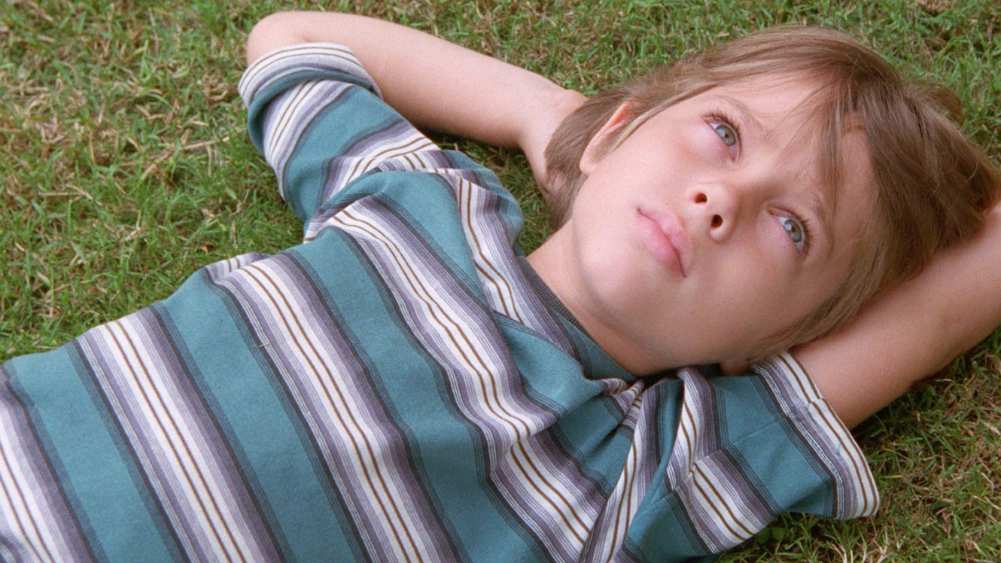
Boyhood is absolutely worth the investment, provided you meet it on its own terms. Its nearly three-hour runtime might seem daunting for a low-stakes narrative, but the film’s power lies in its unprecedented twelve-year production (2002–2013). By filming the same actors annually for over a decade, Linklater avoided the artifice of aging makeup or recasting, allowing the experiment to capture the quiet, awkward authenticity of human growth.
The narrative eschews forced melodrama, focusing instead on the organic drift of school changes, shifting family dynamics, and first loves. Ultimately, the bittersweet experience of watching a boy’s physical and emotional identity transform in real time makes Boyhood an extraordinary meditation on the ordinary.
Should I watch the Before trilogy in order?
Yes. Watching the Before Trilogy in order is essential. The trilogy’s power lies in the way each film builds on the emotional memory of the last. Since time, aging, and accumulated experience are the chief subjects, watching out of order breaks the illusion of lived continuity. Watching in sequence evokes your own memory of their youthful idealism, which provides the necessary emotional weight for their later disillusionment in Paris and domestic reality in Greece.
Conclusion
Richard Linklater has spent forty years proving that the indie spirit isn’t about budget—it’s about having the patience to let a story breathe without suffocating it with plot points. His influence is visible in generations of filmmakers who trust loosely structured narratives, overlapping dialogue, and lived-in performances: Sean Baker, Noah Baumbach, Kevin Smith, Andrew Bujalski, Joe Swanberg.
By centering the passage of time as his primary subject, Linklater moved toward a raw, conversational naturalism that feels almost voyeuristic. Plots might fade, but a throwaway line suddenly lands harder ten years later, or a character you once dismissed starts to feel painfully familiar. The real reason these films demand rewatching is that they act as a yardstick for your own life. Because Linklater is obsessed with how people age and how their philosophies shift, his work evolves with you.
At the same time, Linklater refuses to be pinned down to one mode. Even the good films that didn’t make this list—SubUrbia, The Newton Boys, Fast Food Nation, Bad News Bears, Me and Orson Welles, Where’d You Go, Bernadette—show his willingness to turn his patient, observational style toward subjects (the fast food industry, bank robbers) that usually get the high-octane Hollywood treatment. His real interest lies in the quiet friction of people just trying to navigate the systems they’re stuck in.

Before trilogy is a classic. But I prefer the first two over Before Midnight.